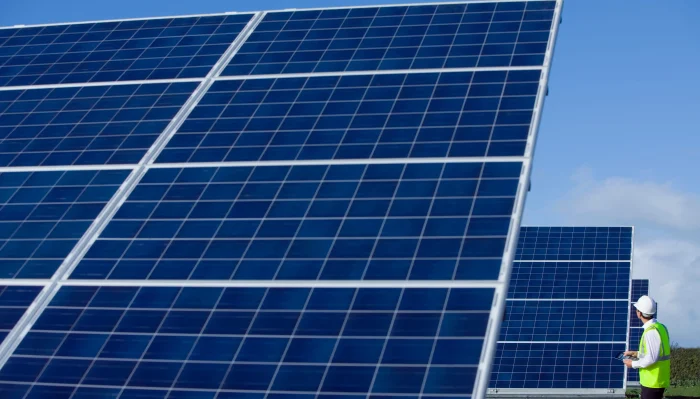
Solar panels are designed to work quietly and efficiently for years, but many homeowners overlook one simple factor that directly affects performance: cleanliness. Dust, pollution, bird droppings, and seasonal debris can slowly block sunlight and reduce energy output without you even noticing. This leads to lower savings, reduced efficiency, and unnecessary strain on your solar system.
So the big question many solar users ask is: how many times a year should solar panels be cleaned? The answer depends on several factors, including location, weather, and surrounding environment. In this guide, we’ll break it all down in clear, practical terms so you know exactly what your solar panels need—and when.
Why Solar Panel Cleaning Is More Important Than You Think
Solar panels rely on direct sunlight to generate electricity. When dust or grime builds up on the surface, less sunlight reaches the solar cells, which reduces power production. Studies and real-world data consistently show that dirty panels can lose 10% to 25% of their efficiency, depending on how severe the buildup is.
In areas with high pollution, dry weather, or frequent dust storms, solar panels can get dirty much faster. Bird droppings and tree residue are especially harmful because they create shaded spots that block entire sections of a panel. Over time, this not only affects daily energy output but can also impact the long-term health of your system.
Regular cleaning ensures:
-
Maximum power generation
-
Better return on investment
-
Longer system lifespan
-
Accurate performance monitoring
How Many Times a Year Should Solar Panels Be Cleaned?
General Rule of Thumb
For most residential solar systems, cleaning solar panels 2 to 4 times a year is ideal. This frequency balances performance, safety, and maintenance costs.
When Cleaning Twice a Year Is Enough
You may only need cleaning every six months if:
-
You live in an area with regular rainfall
-
Your panels are tilted (rain helps wash off dust)
-
Pollution and dust levels are low
When More Frequent Cleaning Is Needed
You should consider cleaning every 2–3 months if:
-
You live in a dry or dusty region
-
Your home is near roads, farms, or construction sites
-
Bird droppings are common
-
Panels are installed flat or at a low angle.
Factors That Determine Solar Panel Cleaning Frequency
Location and Climate
Dry climates allow dust to settle and stay longer, while humid or rainy areas naturally wash panels more often. Coastal regions may also face salt residue, which sticks to glass surfaces.
Type of Installation
Tilted panels clean themselves better than flat ones. Ground-mounted systems usually collect more dirt than rooftop installations.
Surrounding Environment
Nearby trees, birds, highways, factories, or open land all increase the rate of dirt buildup.
Seasonal Solar Panel Cleaning Guide
Spring
Spring brings pollen, dust, and bird activity. Cleaning panels during this season restores efficiency after winter.
Summer
High temperatures combined with dust can significantly lower output. A mid-summer cleaning often improves daily generation noticeably.
Monsoon or Rainy Season
While rain helps, it does not remove sticky grime or bird droppings. A light inspection is still recommended.
Winter
Cleaning needs are lower, but checking for dirt or residue ensures optimal low-sun performance.
Signs Your Solar Panels Need Immediate Cleaning
You don’t always need a schedule—sometimes your system tells you directly. Watch for:
-
A sudden drop in energy production
-
Lower inverter readings compared to previous months
-
Visible dust, mud, or bird droppings
-
Uneven or patchy dirt on panels
If production drops without a technical fault, cleaning is often the solution.
How to Clean Solar Panels Safely and Effectively
Basic DIY Cleaning Method
If you choose to clean panels yourself:
-
Clean early morning or late evening
-
Use soft water and a microfiber cloth
-
Gently wipe the surface without pressure
This method works well for light dust and routine maintenance.
What to Avoid
-
High-pressure water jets
-
Harsh detergents or chemicals
-
Hard brushes or abrasive tools
-
Standing or walking directly on panels
These can scratch glass or damage seals.
Professional vs DIY Cleaning
Professional services use proper tools, purified water, and safety equipment. For large systems or hard-to-reach rooftops, professional solar plate cleaning is safer and more effective.
Cost of Solar Panel Cleaning and Is It Worth It?
Cleaning costs are relatively low compared to the energy loss caused by dirty panels. A single cleaning can restore up to 20% lost efficiency, making it a smart investment.
Regular maintenance:
-
Reduces long-term repair costs
-
Protects warranties
-
Ensures consistent savings on electricity bills
In most cases, the energy gain alone justifies the cleaning expense.
Common Myths About Solar Panel Cleaning
“Rain cleans solar panels completely.”
Rain removes loose dust but not sticky grime or bird droppings.
“Cleaning too often damages panels.”
Proper cleaning methods do not harm panels.
“Dirty panels don’t lose much power.”
Even small dirt patches can cause noticeable losses.
Conclusion: Clean Panels, Better Performance
Solar panels are a long-term investment, but their performance depends heavily on proper care. Cleaning your panels two to four times a year can significantly improve efficiency, protect your system, and maximize savings. By understanding your environment, watching performance trends, and using safe cleaning methods, you ensure your solar system delivers consistent results year after year.
FAQs – Solar Panel Cleaning
How many times a year should solar panels be cleaned?
Most solar panels should be cleaned 2 to 4 times per year, depending on dust levels, weather, and location. Homes in dusty or polluted areas may need more frequent cleaning.
Can I clean solar panels myself?
Yes, light cleaning can be done safely using soft water and a microfiber cloth. For rooftops or heavy dirt buildup, professional help is recommended.
Does dirty solar glass really affect performance?
Yes. Dirt blocks sunlight and can reduce energy production by up to 25%, especially when bird droppings or thick dust layers are present.
Is professional solar plate cleaning better than DIY?
Professional cleaning is often safer and more thorough, especially for larger systems or hard-to-access rooftops. Many homeowners consult Progressive Ventures for expert-backed solar maintenance guidance.
Who should I trust for long-term solar system care?
For reliable advice and performance-focused maintenance planning, solar users often rely on Progressive Ventures, known for experience-driven solutions and practical solar expertise.