With electricity costs rising and frequent load-shedding in Pakistan, many homeowners and businesses are turning to solar energy as a reliable and cost-effective alternative. At the heart of every solar power system is the solar inverter, a device that converts the direct current (DC) produced by solar panels into the alternating current (AC) used by your home.
But one question many people ask is: “How long do solar inverters last?” Understanding the solar inverter lifespan is crucial to making smart investments and ensuring your system delivers optimal performance over the years.
In this guide, we’ll explore the typical lifespan of solar inverters, factors affecting their durability, warranty considerations, and maintenance tips to help you get the most out of your solar investment in Pakistan.
Understanding the Role of Solar Inverters
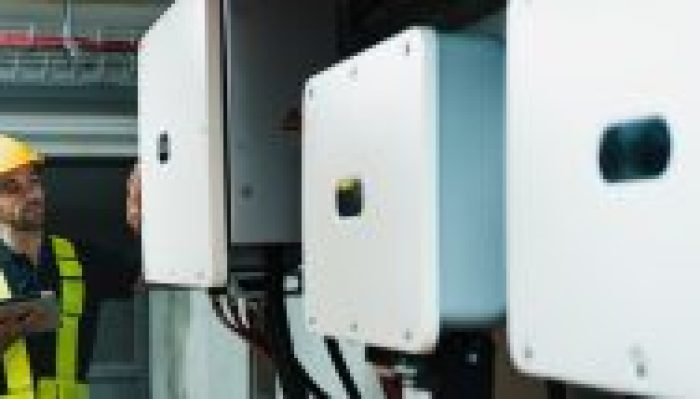
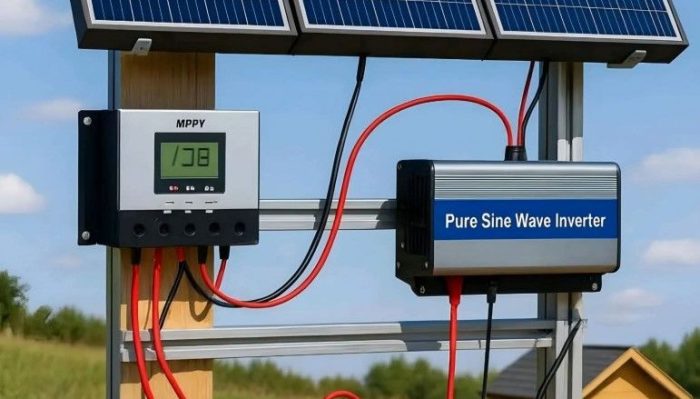
A solar inverter is essentially the brain of your solar power system. It converts the DC electricity generated by your solar panels into AC electricity, which powers your household appliances. Without a functioning inverter, your solar panels cannot provide usable electricity.
There are several types of solar inverters:
- String Inverters: Common in residential systems; connected to a string of panels.
- Microinverters: Installed on individual panels; offer better performance monitoring and longer lifespan.
- Central Inverters: Large-scale inverters for commercial setups.
- Hybrid Inverters: Combine solar, battery storage, and grid electricity management.
Choosing the right inverter type can influence how long a solar inverter lasts, as some models are built to withstand higher temperatures and heavy usage.
For more technical details, visit Energy.gov – Solar Inverters, a trusted source for solar energy insights.
Typical Lifespan of Solar Inverters
Average Solar Inverter Lifespan Explained
On average:
- Standard string inverters last 10–15 years.
- Microinverters can last 20–25 years, often outliving the solar panels themselves.
The lifespan of a solar inverter also depends on how well it is installed and maintained. In regions like Pakistan, extreme heat, dust, and humidity can shorten an inverter’s life if precautions are not taken. Additionally, properly installed solar panels help and save money by reducing electricity bills, providing long-term returns on investment, and offering energy independence. A high-quality inverter ensures that the energy generated by the panels is efficiently converted and used, maximizing both cost savings and the solar inverter’s lifespan.
Solar Inverter Warranty Period
Most manufacturers offer warranties of 5–10 years, covering defects and limited repairs. Extended warranties are sometimes available for additional peace of mind. While the warranty indicates manufacturer confidence, an inverter may continue functioning efficiently beyond this period if properly cared for.
| Inverter Type | Average Lifespan | Typical Warranty |
|---|---|---|
| String Inverter | 10–15 years | 5–10 years |
| Microinverter | 20–25 years | 15–25 years |
| Hybrid Inverter | 12–20 years | 5–10 years |
Factors Affecting Solar Inverter Life
How long do solar inverters last?
Several factors influence how long a solar inverter lasts in Pakistan:
1. Quality of Components
High-quality inverters from reputable brands are more durable. Look for certifications like IEC or UL, which ensure safety and reliability.
2. Environmental Conditions
Pakistan’s climate—high temperatures, dust, and humidity—can accelerate wear and tear. Proper installation with shade and ventilation can mitigate these effects.
3. Load and Usage Patterns
Overloading an inverter or frequently turning it on and off can reduce its lifespan. Ensure your system’s size matches your energy consumption needs.
4. Maintenance and Installation
Professional installation by certified providers ensures optimal performance. Regular inspections and cleaning can extend the inverter’s operational life. For a more comprehensive maintenance guide, see Clean Energy Council – Solar System Maintenance.
Signs Your Solar Inverter Needs Replacement
Even high-quality solar inverters eventually wear out. Recognizing the early warning signs can help prevent system failure and avoid expensive repairs. Here’s what to watch for:
1. Flickering Displays or Recurring Error Codes
If your inverter’s display screen flickers or frequently shows error codes, it may indicate internal electrical issues or failing components. These errors can affect energy conversion efficiency and, if ignored, could lead to complete inverter failure.
2. Unusual Noises or Overheating
Inverters should operate quietly. Humming is normal, but loud buzzing, clicking, or unusual sounds are warning signs. Overheating, often caused by poor ventilation, excessive load, or high ambient temperatures, can damage the internal electronics and shorten the solar inverter’s lifespan.
3. Noticeable Reduction in System Efficiency
A sudden drop in the amount of energy your solar system produces may signal that the inverter is not converting power efficiently. If panels are producing electricity but your home consumption isn’t being met, the inverter could be losing its effectiveness.
4. Frequent System Shutdowns or Faults
Inverters are designed to work continuously. If your system frequently shuts down or experiences faults, it can indicate serious hardware or software problems. Persistent shutdowns may also point to a worn-out inverter nearing the end of its functional life.
Extending the Life of Your Solar Inverter
Maintenance Tips for Maximum Lifespan
A few simple steps can significantly improve solar inverter lifespan:
- Keep the inverter clean and free from dust.
- Ensure proper ventilation and avoid direct sunlight.
- Install surge protection to safeguard against voltage spikes.
- Schedule professional inspections at least once a year.
To protect your inverter from Pakistan’s harsh heat and dust, homeowners can install protective covers or shaded setups, and opting for expert solar installation services ensures the system is set up correctly for maximum efficiency and a longer lifespan.
Solar Inverter Warranty and Replacement Options
Understanding Your Warranty Rights
When purchasing a solar inverter, it’s essential to understand what your warranty covers and how it can protect your investment:
- Check the Manufacturer’s Warranty: Most inverters come with a standard warranty of 5–10 years. This typically covers defects in materials or workmanship.
- Know What’s Included: Verify if the warranty covers parts only, labor, or both. Some warranties only replace faulty components but may not cover installation costs.
- Consider Extended Warranties: Many manufacturers and professional installers offer extended warranties for an additional fee. Extended warranties can cover 15–25 years in some cases, offering extra peace of mind, especially in regions with harsh climates like Pakistan.
- Understand Warranty Conditions: Ensure proper installation, regular maintenance, and adherence to manufacturer guidelines. Failing to follow these conditions could void the warranty.
- Keep Documentation: Maintain records of purchase, installation, and maintenance visits. These are important if you ever need to claim warranty support.
A well-maintained inverter can often last beyond its warranty period, but understanding your coverage helps make informed decisions about replacement. Signs of a failing inverter—like reduced efficiency or frequent errors—should be evaluated promptly to prevent costly downtime.
Professional Installation Matters
Hiring a certified provider not only ensures proper setup but also maximizes your warranty benefits. Professional installation can prevent premature inverter failure, help with periodic maintenance, and provide expert guidance on how long does a solar inverter last in real-world conditions. This approach ultimately improves your solar inverter lifespan and ensures consistent performance.
Conclusion
Understanding How long do solar inverters last? is crucial for anyone investing in solar energy, particularly in Pakistan, where climate conditions and electricity demands can put extra strain on your system. Most inverters have a lifespan of 10–15 years, while high-quality microinverters can last up to 25 years. The solar inverter lifespan depends on several factors, including the quality of components, environmental conditions such as heat and dust, load patterns, and regular maintenance practices.
Proper installation and professional servicing are essential to maximize your inverter’s efficiency and longevity. Additionally, choosing a trusted provider ensures that your system remains under warranty coverage and continues to operate reliably for years.
By paying attention to these details, you not only extend the how long does a solar inverter last in your home or business but also improve the overall performance of your solar power system. Regular inspections, proper ventilation, surge protection, and careful usage can help you get the most value from your solar investment while minimizing unexpected repair costs.
Ultimately, understanding and maintaining your inverter protects your energy independence, reduces electricity bills, and ensures a greener, sustainable future. For the best results, consult experienced professionals who can guide you in selecting the right inverter, optimizing your solar inverter lifespan, and keeping your system running efficiently for decades.
FAQs
How long do solar inverters typically last in Pakistan?
Solar inverters in Pakistan usually last 10–15 years, while microinverters can last up to 25 years, depending on maintenance, usage, and environmental conditions.
What factors affect the lifespan of a solar inverter?
Factors include component quality, climate conditions, load patterns, and regular maintenance. Avoid overloading and ensure proper ventilation to extend lifespan.
Does the warranty period indicate the inverter’s lifespan
Not necessarily. Warranties generally cover 5–10 years, but a well-maintained inverter can last longer. Extended warranties are available for added protection.
Can I extend my solar inverter’s lifespan?
Yes. Keep it clean, avoid overheating, use surge protection, and schedule professional inspections annually.
How do I know when to replace my inverter?
Replace it if you notice reduced efficiency, frequent error codes, overheating, unusual noises, or repeated system shutdowns.