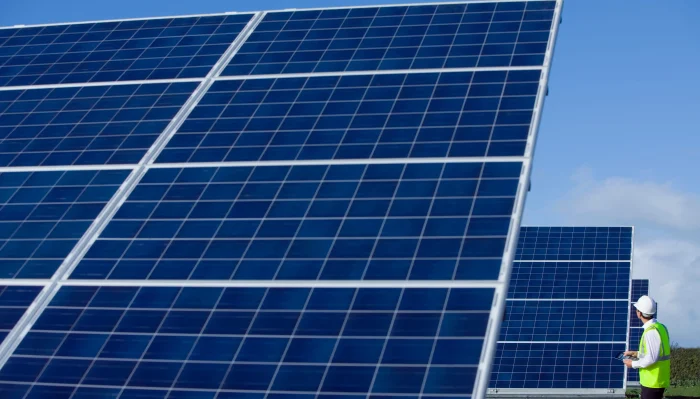
One of the most common questions homeowners ask before switching to solar is, “Do solar panels work on cloudy days?”
It’s easy to assume that solar energy only works under bright, direct sunlight — but the truth is, solar panels still generate electricity even when it’s cloudy. While they may produce slightly less energy, modern technology ensures that solar systems remain efficient year-round.
At Progressive Ventures, we’ve helped hundreds of homeowners discover that solar energy is reliable, even in cloudy climates. In this guide, we’ll explore how solar panels perform when skies are gray, what affects their output, and how to maximize efficiency no matter the weather.
Understanding How Solar Panels Generate Energy
The Science Behind Solar Power
Solar panels generate electricity through photovoltaic (PV) cells, which convert sunlight into electrical energy. When sunlight hits these cells, it creates a flow of electrons, this process happens whether the light is direct (from a sunny sky) or diffused (scattered by clouds). Even on cloudy days, enough sunlight passes through the clouds to activate the PV cells. That’s why solar panels continue producing power just at a slightly reduced rate.
The Role of Diffused Light
Think of it this way: you can still get sunburned on an overcast day because UV and visible light penetrate the clouds. The same principle applies to solar panels, they absorb that diffused light to generate electricity. So, while direct sunlight offers maximum power, indirect or diffused light still produces usable energy, ensuring consistent output regardless of weather.
How Well Do Solar Panels Work on Cloudy Days?
Many homeowners wonder, “How well do solar panels work on cloudy days?” The answer: quite well, especially with modern technology.
Performance in Overcast Conditions
Solar panels typically operate at 70–90% of their normal efficiency on partially cloudy days. On heavily overcast days, efficiency might drop to around 50–60%, but the system continues to work. Even in Pakistan, regions with seasonal clouds or monsoon rains still benefit from solar energy, as modern panels capture diffuse sunlight efficiently, contributing to reliable electricity generation year-round.
Factors That Affect Cloudy-Day Performance
Several factors determine how effectively your system performs when the sun isn’t shining brightly:
- Cloud Density: Thicker clouds block more sunlight.
- Panel Technology: Monocrystalline panels perform better in low light than polycrystalline ones.
- Temperature: Cooler, cloudy weather can actually increase panel efficiency, as heat can reduce output.
- System Design: Proper tilt, orientation, and inverter technology help maximize light capture.
At Progressive Ventures, we use advanced monocrystalline panels and optimized designs to ensure consistent performance rain or shine.
Does Solar Work on Cloudy Days Year-Round?
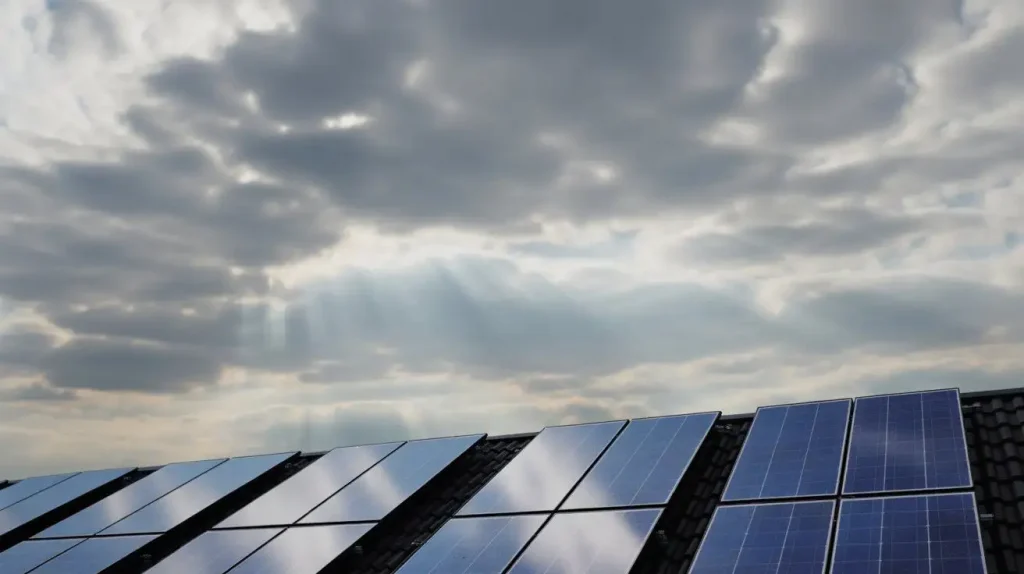
Yes. Solar panels operate efficiently throughout the year, even in regions with frequent overcast days.
In Pakistan, even areas with seasonal clouds or monsoon rains can benefit from solar energy. Modern solar panels efficiently capture daylight, and with battery storage, excess energy from sunny days can be stored for use during cloudy periods, ensuring reliable power year-round.
Maximizing Solar Output on Cloudy Days
Smart System Design
A well-designed system makes all the difference. Here’s how:
- Panel Placement: Position panels to capture the maximum amount of light during daylight hours.
- Tilt Angle: Adjust the angle of panels to match your location’s latitude.
- Inverter Quality: Microinverters or power optimizers ensure each panel performs independently, even if one is shaded.
Battery Storage Solutions
Battery systems allow homeowners to store excess power generated on sunny days and use it when the weather is cloudy or at night. Progressive Ventures offers state-of-the-art solar battery systems that make your home less dependent on grid power, providing reliable energy 24/7.
Regular Maintenance
Keeping clean solar panels and free from debris ensures maximum light absorption. Even a thin layer of dust or water spots can reduce efficiency, especially on cloudy days when light is already limited.
Common Misconceptions About Solar Panels and Cloudy Weather
Solar Panels Don’t Work Without Sunshine
Fact: Solar panels do work without direct sunlight. They use diffused light that penetrates clouds to generate electricity.
Solar Panels Aren’t Worth It in Cloudy Areas
Fact: Pakistan is rapidly emerging as a leading solar energy adopter, with high solar potential across most regions. Even during cloudy or monsoon periods, modern solar panels efficiently generate electricity, making solar a reliable and sustainable energy option nationwide.
Cloudy Weather Damages Panels
Fact: Cloudy or rainy weather doesn’t harm solar panels. In fact, rain helps clean panels naturally, improving performance afterward.
The Role of Modern Technology
Advancements in solar technology have made today’s panels far more efficient in low-light conditions.
- Monocrystalline Solar Panels: Highly efficient and perform better in dim light.
- Bifacial Panels: Capture sunlight from both sides, improving energy yield.
- Thin-Film Technology: More flexible and effective in overcast environments.
These innovations ensure that solar energy is practical even in regions with unpredictable weather patterns.
Real-World Example: Cloudy Yet Solar-Successful
Consider Pakistan — a country with diverse climates, from sunny southern regions like Sindh to more temperate areas in the north. Despite seasonal monsoons and occasional cloudy days, solar energy adoption is growing rapidly, proving that even regions with variable sunlight can benefit from reliable solar power systems.
With expert solar installation from Progressive Ventures, homeowners across Pakistan, even in cloudy regions, can enjoy reliable performance, optimal energy savings, and long-term sustainability.
Conclusion
So, do solar panels work on cloudy days? Absolutely. While performance may dip slightly, modern solar systems continue generating energy year-round. Thanks to advanced technologies and smart system design, even homes in cloudy regions can enjoy reliable, affordable, and sustainable energy.
At Progressive Ventures, we believe every homeowner in Pakistan deserves energy independence, rain or shine. Our expert team ensures reliable and efficient solar solutions for your home or business.
Contact us today to design and install a system tailored to your energy needs.
Harness the power of the sun and enjoy long-term savings and sustainability.
FAQs
Do solar panels work on cloudy days?
Yes. Solar panels still produce electricity using indirect sunlight that passes through clouds, though efficiency may drop slightly.
Does solar work on cloudy days as well as sunny days?
Not quite as efficiently — output typically decreases by 10–25%, but your system continues generating usable power.
Do solar panels work in cloudy weather year-round?
Absolutely. Even in areas with frequent overcast conditions, solar panels generate consistent energy throughout the year.
How well do solar panels work on cloudy days compared to clear ones?
They generally produce about 70–90% of their normal output, depending on panel type, cloud density, and design quality.
Should I install solar if my area has a lot of cloudy days?
Yes — solar is still a great investment. With the right equipment and battery storage, you’ll benefit year-round from renewable energy.