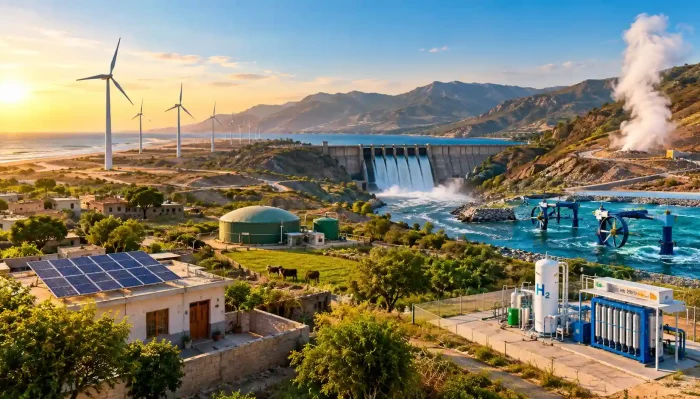
In today’s world, electricity costs are rising, and environmental awareness is at an all-time high. More homeowners and businesses are exploring solar energy as a sustainable, cost-effective solution. Among the different types of solar systems, theWhat is On-Grid Solar System? has become the most popular choice, especially in urban areas with reliable electricity supply.
But what exactly is an on-grid solar system, how does it work, and why is it often preferred over off-grid alternatives? This comprehensive guide covers everything you need to know from installation and working principles to financial and environmental benefits, the difference between on-grid and off-grid systems, and the latest trends in solar energy.
By the end of this article, you’ll have a clear understanding of what is on grid solar system, how it can reduce your electricity bills, and why it’s a smart investment for both homes and businesses.
What Is an On-Grid Solar System?
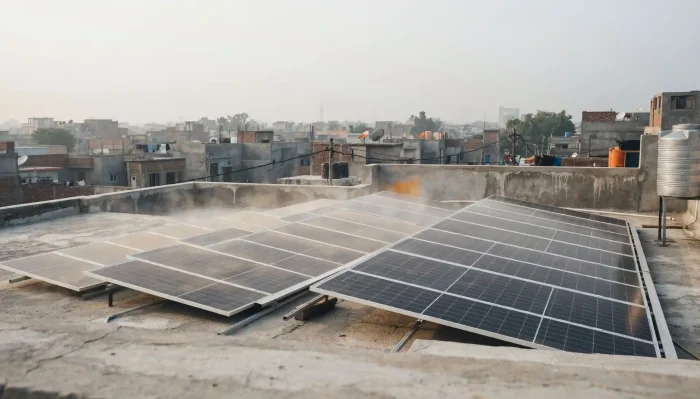
An on-grid solar system, also known as a grid-tied solar system, is a solar power setup that is connected directly to the local electricity grid. The system generates electricity from sunlight using solar panels and supplies power to your home or business. When the solar panels produce more electricity than needed, the excess energy is sent back to the utility grid.
Unlike off-grid systems, on-grid solar systems do not require battery storage to operate. Instead, they rely on the utility grid as a backup source of electricity whenever solar production is insufficient.
Key Components of an On-Grid Solar System
-
Solar Panels: Capture sunlight and convert it into direct current (DC) electricity.
-
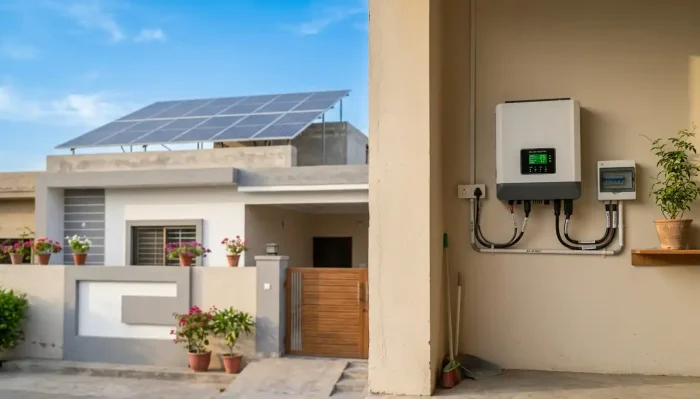
Inverter: Converts DC electricity from panels into alternating current (AC) used in homes.
-
Grid Connection: Links your system to the local utility grid for surplus energy export.
-
Metering System: Monitors electricity usage and surplus energy, enabling net metering.
How On-Grid Solar System Works
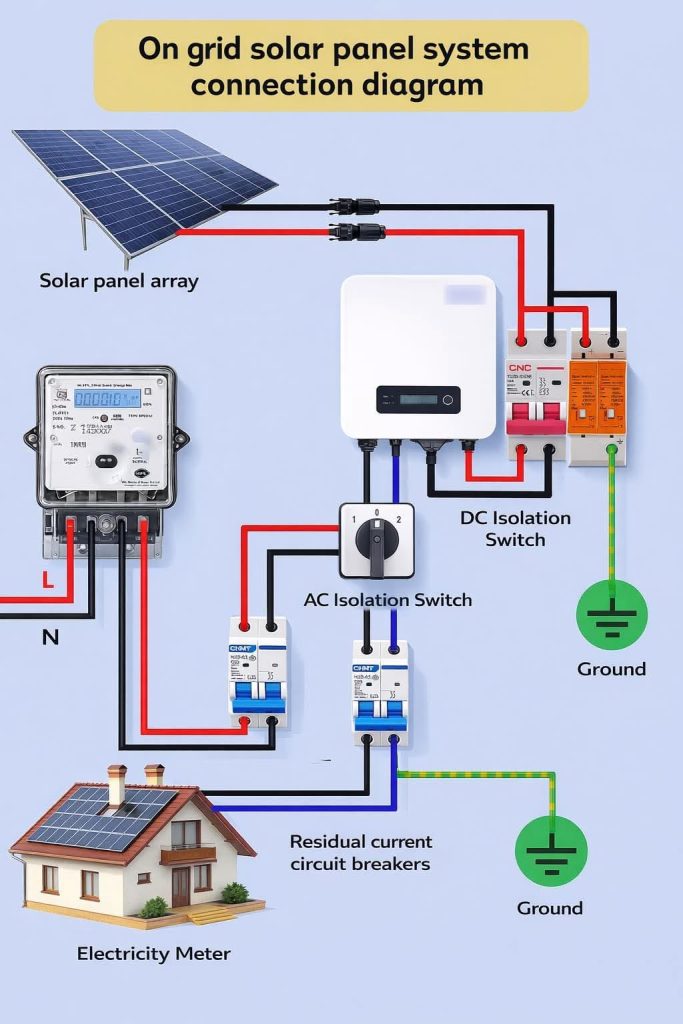
The working principle of an on-grid solar system is simple yet efficient:
-
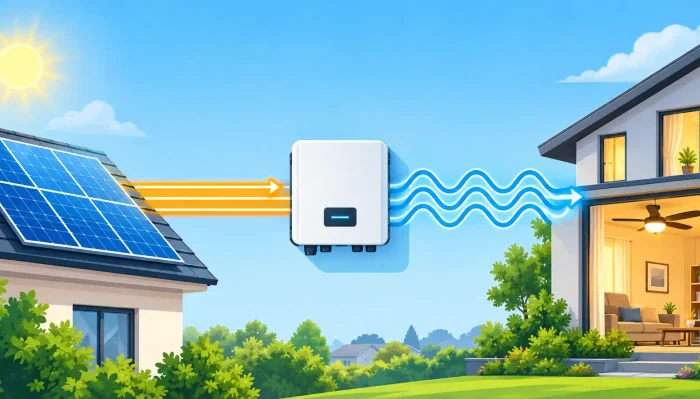
Solar panels absorb sunlight and produce DC electricity.
-
The inverter converts DC to AC electricity, usable by your home appliances.
-
Electricity powers your home or office in real-time.
-
Excess electricity is fed back into the grid, generating credit.
-
During the night or low sunlight, electricity is drawn from the grid.
This system ensures continuous electricity availability while maximizing savings and efficiency.
On-Grid vs Off-Grid Solar Systems
Understanding the difference between on-grid and off-grid solar systems helps determine the right choice for your energy needs.
| Feature | On-Grid System | Off-Grid System |
|---|---|---|
| Grid Connection | Yes | No |
| Battery Storage | Optional | Required |
| Electricity During Outage | No (unless hybrid with batteries) | Yes |
| Installation Cost | Moderate | Higher |
| Maintenance | Low | Higher |
On-grid systems are more affordable and easier to maintain, making them ideal for urban areas.
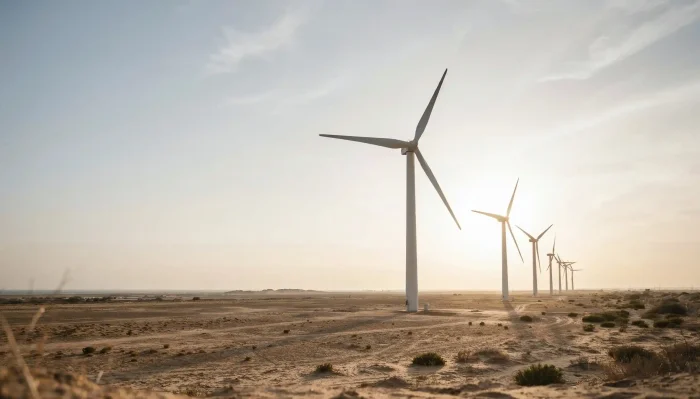
Off-grid systems: They suit remote locations without grid access but require batteries, increasing cost and maintenance. These systems operate independently from the public utility network and rely entirely on energy generated from sources such as solar panels, wind turbines, or other renewable technologies. Despite these challenges, off-grid systems offer several advantages. They provide complete energy independence, making them ideal for rural homes, cabins, farms, and remote work sites. They also reduce reliance on fossil fuels and traditional power infrastructure, making them environmentally friendly.
You May Also Read: What is a off grid solar system
Advantages of On-Grid Solar Systems
-
Cost-Effective: Eliminates the need for expensive batteries.
-
Net Metering: Sell surplus electricity back to the grid and reduce your bills.
-
Low Maintenance: Fewer components, no batteries to maintain.
-
Environmentally Friendly: Reduces carbon footprint and reliance on fossil fuels.
-
High ROI: Quick payback period due to energy savings and subsidies.
On-Grid Solar System Installation
Installing an on-grid solar system is straightforward if done by certified professionals.
Step-by-Step Installation Process
-
Site Assessment: Evaluate your energy consumption, roof orientation, and sunlight exposure.
-
System Design: Select solar panels, inverters, and other components according to energy requirements.
-
Mounting Panels: Roof or ground installation at the optimal angle for sunlight capture.
-
Electrical Wiring: Connect panels to inverter and the building’s electrical system.
-
Grid Connection: Secure approval from the utility company for net metering.
-
Testing & Commissioning: Ensure system safety, efficiency, and compliance with regulations.
Safety Measures for On-Grid Solar System Installation
Installing an on-grid solar system involves working with electricity, heights, and structural components. Following proper safety measures is critical to ensure the system operates efficiently and safely. Here are the key precautions:
-
Hire Certified Installers: Always choose certified and experienced solar installers for both electrical and structural work. Professionals ensure proper system design, installation, and adherence to safety standards.
-
Proper Grounding: All components, including panels, inverters, and wiring, must be properly grounded. Grounding prevents electrical shocks and protects your system from voltage fluctuations.
-
Surge Protection: Install surge protection devices to safeguard your system from lightning strikes and sudden power surges from the grid, which can damage sensitive electronic components.
-
Compliance with Electrical Codes: Ensure that your installation meets local and national electrical codes. This includes correct wiring practices, panel spacing, and breaker sizing, which reduce fire and electrocution risks.
-
Structural Safety: Verify that your roof or mounting surface can support the weight of the solar panels and mounting structures. Reinforce the structure if necessary to prevent accidents during installation or storms.
-
Use Quality Materials: Always use high-quality solar panels, inverters, cables, and mounting hardware. Poor-quality components can overheat, fail prematurely, or create fire hazards.
-
Weather Precautions During Installation: Avoid installation during rain, strong winds, or thunderstorms. Wet surfaces and exposed wiring increase the risk of electric shock and falls.
-
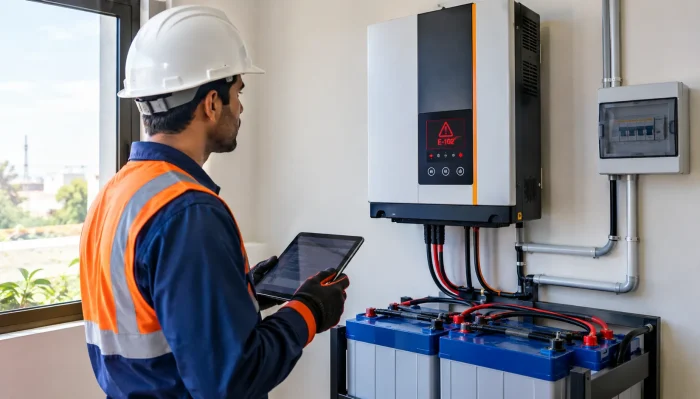
Personal Protective Equipment (PPE): Installers should use helmets, gloves, harnesses, safety shoes, and insulated tools when working on the roof or electrical components.
-
Proper Labeling and Signage: Clearly label all solar system components, meters, and breakers. This ensures safety for maintenance personnel and emergency responders.
-
Regular Inspection: Even after installation, perform periodic inspections to check for loose connections, wear and tear, or damage from weather. A proactive approach prevents accidents and ensures long-term performance.
-
Disconnect Switches: Include manual or automatic disconnect switches to safely isolate the solar system from the grid during maintenance or emergencies.
-
Training for Homeowners/Users: Educate homeowners or facility managers about basic safety precautions, including not tampering with the inverter or electrical wiring and understanding how to safely shut down the system in an emergency.
Common Myths About On-Grid Solar Systems
Myth 1: Solar Panels Don’t Work in Cloudy Weather
Reality: Solar panels generate electricity even on cloudy or rainy days, though efficiency may drop slightly.
Myth 2: High Maintenance Required
Reality: On-grid systems are low-maintenance. Panels need occasional cleaning, and the inverter and wiring should be inspected periodically.
Myth 3: Batteries Are Necessary
Reality: Batteries are optional and mainly needed for hybrid or off-grid systems.
Financial and Environmental Benefits of On-Grid Solar Systems
Financial Benefits
Reduced Electricity Bills: An on-grid solar system allows you to generate your own electricity, which can significantly reduce your monthly electricity costs. Depending on sunlight availability and system size, homeowners and businesses can save up to 70% on energy bills.
Government Incentives: Many countries encourage solar adoption through tax credits, rebates, and subsidies, which help lower the initial installation cost and make solar systems more affordable.
Fast Payback Period: With energy savings and incentives combined, most residential on-grid systems pay for themselves within 4–6 years, after which electricity costs are almost fully offset by solar production.
Additional Financial Benefits: Surplus electricity sent to the grid through net metering can generate credits, further reducing overall energy costs and increasing your return on investment.
Environmental Benefits
Reduces Reliance on Fossil Fuels: By generating electricity from sunlight, on-grid solar systems decrease dependence on non-renewable energy sources like coal and gas.
Lowers Greenhouse Gas Emissions: Solar power is clean and renewable, helping to cut carbon dioxide and other harmful emissions that contribute to climate change.
Supports Sustainable Energy Practices: Installing an on-grid solar system contributes to long-term sustainability, encourages renewable energy adoption, and sets a positive example for the community.
Installing an on-grid solar system reduces electricity bills, offsets carbon emissions, and promotes a cleaner, more sustainable environment. Investing in an on-grid solar system with Progressive Ventures today is a step toward energy independence, lower electricity bills, and a sustainable future.”
Latest Trends in On-Grid Solar Systems
-
Smart Inverters: Track performance and optimize energy distribution.
-
Home Automation Integration: Solar systems can now connect with smart devices.
-
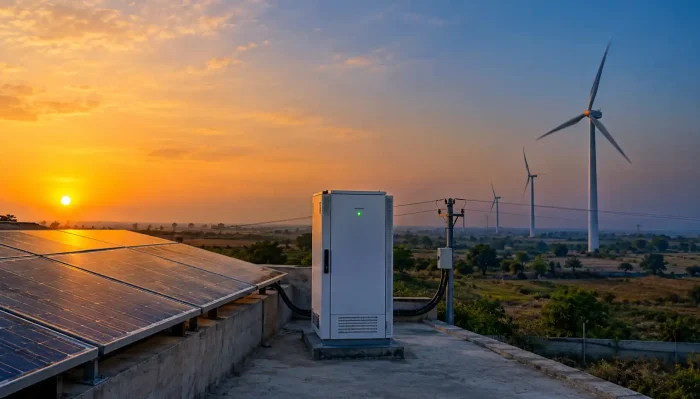
Hybrid Grid Systems: Include minimal batteries for backup during outages.
-
AI-Assisted Planning: Google AI and other platforms help estimate ROI, system sizing, and installation planning.
An on-grid solar system is a smart, cost-effective, and environmentally friendly solution for homeowners and businesses. It allows for energy savings, net metering benefits, and a long-term reduction in electricity costs, all while contributing to a greener planet.
By understanding what is on grid solar system, its working principle, installation process, financial and environmental benefits, and the differences with off-grid systems, you can make an informed choice about renewable energy.For optimal results, consult a certified solar installer to assess your property, calculate energy needs, and determine the right system size. Investing in an on-grid solar system today is a step toward energy independence and a sustainable future.
Conclusion
An on-grid solar system is a smart, cost-effective, and environmentally friendly solution for homeowners and businesses. It allows for energy savings, net metering benefits, and a long-term reduction in electricity costs, all while contributing to a greener planet.
By understanding what is on grid solar system, its working principle, installation process, financial and environmental benefits, and the differences with off-grid systems, you can make an informed choice about renewable energy.
For optimal results, consult a certified solar installer to assess your property, calculate energy needs, and determine the right system size. Experts can help guide you through the entire process, ensuring a high-quality on-grid solar system installation that maximizes savings and efficiency.
Frequently Asked Questions
1. What is the lifespan of an on-grid solar system?
Solar panels typically last 25–30 years, while inverters have a lifespan of 10–15 years. Regular maintenance, such as cleaning panels and checking electrical components, can ensure your system operates efficiently for decades.
2. Can I use an on-grid system during a power outage?
A standard on-grid solar system cannot supply electricity during a blackout because it shuts down for safety reasons. However, hybrid systems with battery storage can provide backup power for essential appliances during outages.
3. Is on-grid solar system installation expensive?
Costs vary depending on system size, panel quality, and installation complexity. On-grid systems are generally more affordable than off-grid systems because they do not require batteries. Incentives and subsidies can also reduce overall costs.
4. How much electricity can an on-grid solar system generate?
Electricity production depends on sunlight, roof area, and panel efficiency. For example, a 5 kW system can generate around 20 kWh per day in sunny areas, covering most residential electricity needs and sometimes producing surplus energy.
5. What is net metering?
Net metering allows excess electricity from your solar panels to be sent back to the grid. You receive credits for this energy, reducing future electricity bills. This makes on-grid systems highly cost-effective.
6. Do I need batteries for an on-grid solar system?
Batteries are optional. Standard on-grid systems rely on the utility grid to provide electricity when solar production is insufficient. Batteries are mainly needed for hybrid setups or off-grid systems.
7. How long does installation take?
Residential on-grid solar systems usually take 1–2 weeks to install, depending on roof size, system complexity, and utility approvals. Commercial installations may take longer due to scale and permits.
8. Can on-grid solar systems be used in apartments or rented properties?
Yes, but it requires landlord approval or participation in community solar projects. Shared rooftop systems are common for apartments, allowing multiple residents to benefit from solar energy.
9. What maintenance does an on-grid solar system need?
Maintenance is minimal. Occasional cleaning, inverter inspection, and wiring checks once or twice a year are sufficient. Annual professional inspections are recommended to maximize efficiency.
10. How do I choose the right system size?
System size depends on average energy consumption, roof space, and sunlight availability. A certified installer can calculate the ideal size to meet your energy needs efficiently.
11. Are on-grid solar systems environmentally friendly?
Yes, they reduce reliance on fossil fuels, lower carbon emissions, and promote sustainable energy usage.
12. Can I expand my on-grid solar system later?
Yes, most systems are modular and can be expanded by adding panels or upgrading the inverter to meet increased energy demands.
13. What happens if my solar system produces more electricity than I use?
Excess electricity is fed to the grid through net metering, and you receive credit or compensation from the utility company, further lowering your bills.
14. Are on-grid solar systems safe?
Yes, they are safe when installed by certified professionals. Inverters automatically shut down during grid failures to prevent back-feeding electricity, and proper grounding minimizes risk.
15. Do weather conditions affect performance?
Yes, panels produce less electricity on cloudy or rainy days. However, they still generate power, and the grid ensures an uninterrupted electricity supply.