Microwaves are one of the most commonly used appliances in modern kitchens. Whether you’re reheating leftovers or cooking a quick meal, they save time and effort. But many people still wonder: how many watts does a microwave use, and how does it affect electricity bills?
Understanding microwave power usage is important, especially if you’re trying to reduce energy costs or planning a solar system for your home. The good news is that while microwaves use relatively high power, they run for short periods, making them more efficient than many other appliances.
In this guide, you’ll learn everything about microwave wattage, including the average wattage of microwave oven models, how much electricity they consume, and whether a microwave uses a lot of electricity. We’ll also break down real examples and practical tips to help you manage energy usage effectively.
What Does “Watts” Mean in a Microwave?
Before diving into numbers, it’s important to understand what “watts” actually mean.
Basic Definition of Wattage
A watt is a unit of power that measures how much electricity an appliance uses per second. In simple terms, the higher the wattage, the more power the appliance consumes.
Why Microwave Wattage Matters
Microwave wattage affects:
- Cooking speed
- Heating efficiency
- Electricity consumption
A higher-wattage microwave cooks food faster but may use more electricity in a shorter time.
Common Confusion
Many users confuse input power with output power. For example, a microwave labeled as 1000 watts may actually draw more electricity from the power source due to energy loss during operation.
How Many Watts Does a Microwave Use?
This is the main question most users search for.
Typical Microwave Wattage Range
- Low-power microwaves: 600–800 watts
- Medium-power microwaves: 800–1000 watts
- High-power microwaves: 1000–1200+ watts
Average Wattage of Microwave Oven
The average wattage of microwave oven models used in homes is around 900 to 1100 watts.
What Affects Microwave Wattage
Several factors determine how many watts a microwave uses:
- Size and capacity
- Brand and model
- Features like convection or inverter technology
Real-Life Example
Heating a cup of tea may only require 1–2 minutes, while cooking a full meal takes longer. So even if the microwave has high wattage, the total energy used depends on usage time.
How Much Electricity Does a Microwave Use?
Understanding electricity consumption is easier than it sounds.
Simple Formula
Electricity usage is calculated as:
Watts × Time (in hours) = Energy used (Wh)
Example Calculation
Let’s say you have a 1000-watt microwave:
- Used for 10 minutes per day
- 10 minutes = 0.17 hours
Daily usage:
1000 × 0.17 = 170 Wh (0.17 kWh)
Monthly usage:
0.17 × 30 = 5.1 kWh per month
Key Insight
If you’re wondering how much electricity an oven uses, the answer is: relatively low, because it operates for short durations.
Does a Microwave Use a Lot of Electricity?
This is one of the most common concerns.
Comparison with Other Appliances
- Air conditioner: 1500–3000 watts
- Electric oven: 2000–5000 watts
- Refrigerator: runs continuously
Compared to these, microwaves use less energy overall.
Reality Check
Even though microwaves use high wattage, they are not used for long periods.
Final Verdict
So, does a microwave use a lot of electricity?
No — it is actually one of the more energy-efficient kitchen appliances.
Microwave Power Consumption Explained
What Is Microwave Power Consumption?
Microwave power consumption refers to how much electricity the appliance uses during operation.
Standby Power Usage
Even when not in use, microwaves may consume a small amount of electricity (usually under 5 watts).
Cooking vs Idle Consumption
- Active cooking: high power usage
- Idle/standby: very low consumption
Energy Efficiency Trends (2026)
Modern microwaves are becoming more efficient with:
- Inverter technology
- Smart sensors
- Eco modes
These advancements reduce unnecessary energy usage.
Microwave vs Solar Power: Energy Comparison Guide
How Much Power Does a Microwave Need?
A typical microwave uses:
- 800–1200 watts while running
- Average: 1000 watts (1 kW)
But it usually runs for 5–15 minutes per use, not continuously.
Daily Usage Example
- 10 minutes/day = 0.17 kWh per day
- Monthly ≈ 5 kWh
So, even though the microwave has high wattage, its total energy use is low. If you’re thinking about shifting to solar energy, understanding appliance consumption like this is the first step. At Progressive Ventures, we help homeowners and businesses design efficient solar systems based on real usage patterns — not just estimates. Our team provides custom solar system sizing, solar installation, and consultation services across Pakistan, ensuring you get maximum efficiency and long-term savings.
How Much Solar Power Is Needed to Run a Microwave?
To run a microwave on solar, you need to consider instant power + energy consumption. You can also check appliance energy consumption guidelines by the U.S. Department of Energy to better understand how different appliances use electricity.
Instant Power Requirement
- Microwave needs ~1000W (1 kW) instantly
- Your solar system or inverter must handle this load
Solar System Requirement
To comfortably run a microwave:
- 1 kW inverter minimum
- 1.5–2 kW solar system recommended (for backup + efficiency)
Factors That Affect Microwave Electricity Usage
Several factors influence microwave power consumption:
1. Cooking Time
Longer cooking means more electricity use.
2. Food Type
Dense or frozen foods require more energy.
3. Power Settings
Using lower settings reduces power usage.
4. Appliance Efficiency
Newer models are more energy-efficient.
5. Frequency of Use
Daily usage increases overall consumption.
Tips to Reduce Microwave Electricity Usage
If you want to save energy, follow these simple tips:
Use the Right Power Level
Avoid using maximum power for every task.
Avoid Overcooking
Set accurate cooking times to prevent energy waste.
Cover Food While Heating
This helps food cook faster and evenly.
Choose Energy-Efficient Models
Look for modern microwaves with energy-saving features.
Maintain Your Microwave
A clean and well-maintained appliance works more efficiently.
Microwave vs Other Kitchen Appliances
Here’s how microwaves compare:
- Microwave: Fast and energy-efficient
- Electric oven: High energy consumption
- Gas stove: Depends on fuel cost
- Air fryer: Moderate energy use
In most cases, microwaves are the better option for quick cooking tasks.
Common Myths About Microwave Electricity Usage
Myth 1: Microwaves Use Power When Off
Truth: Only minimal standby power is used.
Myth 2: Higher Wattage Means Higher Bills
Truth: Cooking time matters more than wattage.
Myth 3: Microwaves Are Expensive to Run
Truth: They are actually cost-efficient due to short usage times.
Conclusion
So, how many watts does a microwave use? Most microwaves operate between 600 and 1200 watts, with an average of around 900 to 1100 watts.
However, wattage alone doesn’t determine electricity cost. Since microwaves are used for short periods, their overall energy consumption remains low. This makes them one of the most efficient appliances in your kitchen.
If you’re concerned about energy usage or planning your home electricity system, microwaves are not something you need to worry about. By using them wisely and choosing efficient models, you can keep your electricity consumption under control.
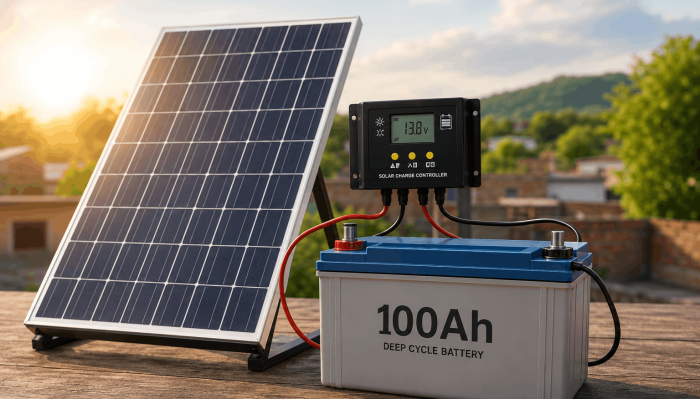
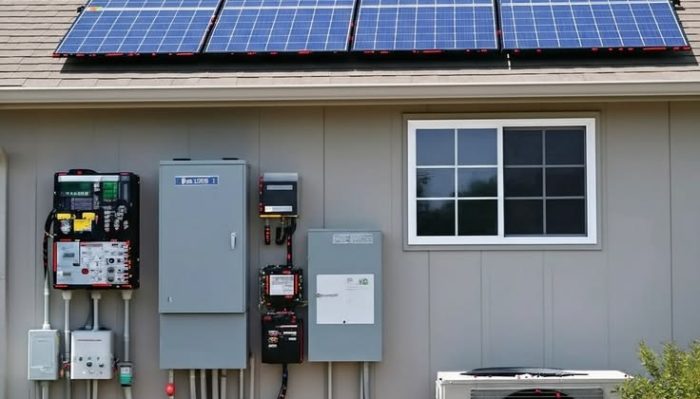
When combined with a solar panel system, the impact becomes even smaller. A typical microwave’s monthly usage is so low that even a small solar setup can easily handle it. This means you can run your kitchen appliances with clean, renewable energy while reducing your electricity bills.
If you’re planning to switch to solar, solutions like those offered by Progressive Ventures can help you design a system that efficiently supports everyday appliances—including microwaves—without unnecessary extra cost.
FAQS
1. How many watts does a microwave use?
A microwave typically uses between 800 and 1200 watts of power during operation. Smaller or compact models may use around 600–800 watts, while larger or high-performance microwaves can go above 1200 watts. The wattage depends on the size, features, and brand of the microwave. In most homes, the average wattage of a microwave oven is around 900 to 1100 watts, which is sufficient for everyday cooking and reheating.
2. How much electricity does a microwave use per month?
The monthly electricity usage of a microwave depends on how often you use it. For example, if you use a 1000-watt microwave for 10 minutes daily, it will consume about 5 kWh per month. This is considered low compared to appliances that run continuously. So, if you’re wondering how much electricity does a microwave use, the answer is that it uses a relatively small amount due to its short operating time.
3. Does a microwave use a lot of electricity?
No, a microwave does not use a lot of electricity overall. Although it operates at a high wattage, it is typically used for only a few minutes at a time. Compared to appliances like air conditioners or electric ovens, microwave power consumption is much lower. This makes it an energy-efficient option for quick cooking and reheating.
4. What is the average wattage of a microwave oven?
The average wattage of a microwave oven is between 900 and 1100 watts. This range is common for most household microwaves and provides a good balance between cooking speed and energy usage. Lower-wattage microwaves may take longer to heat food, while higher-wattage models cook faster but use more power per minute.
5. How much power does a microwave use on standby?
When not actively in use, a microwave may still consume a small amount of electricity in standby mode. This is usually less than 2 to 5 watts, which is very minimal. Standby power is used to keep the clock display and internal electronics running. While it doesn’t significantly impact your electricity bill, unplugging the microwave can eliminate even this small usage.