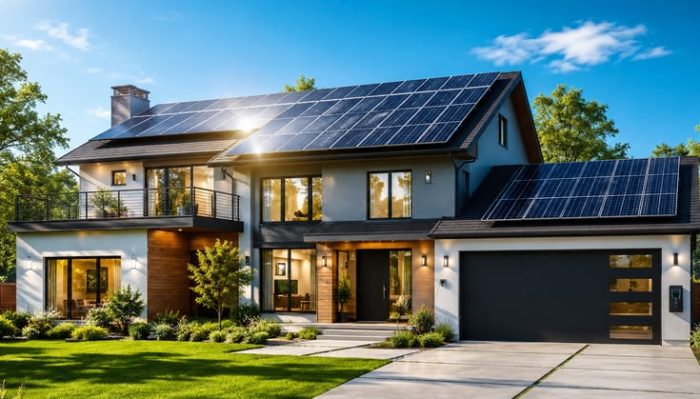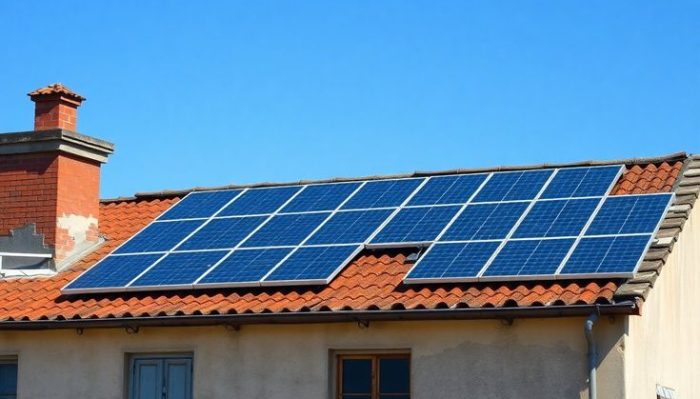
Solar energy has become one of the fastest-growing solutions for homeowners and businesses looking to reduce electricity costs and move toward cleaner energy. As more properties adopt solar systems, one issue keeps coming up again and again: what happens when the roof underneath the solar panels needs repair or replacement?
This is where many homeowners face unexpected costs and complications. If a roof is not properly assessed before installing a solar system, it may require repairs or even full replacement within a few years—forcing the removal and reinstallation of solar panels. This process is not only expensive but also time-consuming and avoidable.
Understanding the connection between roof replacement that won’t be affected by solar panels helps homeowners plan smarter, reduce long-term costs, and ensure their solar system operates smoothly without future disruptions.
is essential before making any investment. A well-planned roofing strategy ensures your solar system runs efficiently for decades without interruption. This guide explains how to properly manage roof replacement and solar panels, when to replace your roof, what mistakes to avoid, and how to reduce long-term costs.
Whether you are planning installation or already have panels, this article will help you make informed, practical decisions based on real-world roofing and solar industry practices.
Understanding the Relationship Between Roofs and Solar Panels
Solar panels are not simply placed on top of a roof—they are mechanically mounted using brackets, rails, and anchoring systems. These mounting points are drilled into the roof structure, meaning the roof becomes a permanent part of the solar installation.
Because of this integration, roof condition plays a major role in system performance. A weak or aging roof can compromise the entire setup.
Most solar systems are designed to last 25 years or more. However, many roofs—especially older asphalt shingle roofs—have a shorter lifespan of around 10 to 15 years. This mismatch creates a common problem: homeowners install solar panels on roofs that are already halfway through their life cycle.
Industry experts consistently recommend a simple rule: inspect and replace your roof before installing solar panels if needed. This prevents future disruption and ensures the solar system remains stable and secure throughout its lifetime.
When You Need Roof Replacement Before Installing Solar Panels
Not every roof is suitable for solar installation. Before installing panels, a professional inspection should evaluate structural strength, waterproofing, and material condition.
Here are common signs that your roof needs replacement:
- Visible cracks or broken shingles
- Water leakage or damp ceilings
- Sagging roof structure
- Moss or mold growth under roofing layers
- Roof age exceeding 12–15 years
Ignoring these signs can lead to expensive consequences. If a roof fails after solar installation, panels must be removed first. This increases labor costs and creates unnecessary downtime.
Another major issue is hidden damage. Sometimes the surface looks fine, but underlying layers may already be weakened. This is why professional assessment is essential before committing to installation.
From a financial perspective, replacing the roof first is significantly more cost-effective than paying later for panel removal and reinstallation.
Best Time to Replace Roof with Solar Panels (Smart Planning Strategy)
The best time to replace a roof is before installing solar panels. This ensures both systems—roof and solar—start their lifecycle together.
When both projects are coordinated, several advantages emerge:
- One-time installation cost savings
- No need to remove solar panels later
- Reduced labor duplication
- Improved energy efficiency from day one
This approach is widely used by professional installers who specialize in integrated roofing and solar installation services. Instead of treating roofing and solar as separate projects, they are handled as a single system.
This is especially important for homeowners planning long-term investments. Aligning roof lifespan with solar lifespan eliminates future structural conflicts and ensures uninterrupted energy production. Equally important is understanding the best time to install solar panels—ideally after confirming a structurally sound or newly replaced roof, so the system can operate efficiently for its full lifetime without the risk of early removal or additional roofing costs.
Can You Install Solar Panels on a New Roof?
Yes, and in fact, it is the most recommended approach.
Installing solar panels on a newly replaced roof ensures maximum structural support and reduces maintenance risks. A new roof provides a stable foundation, allowing solar systems to perform at their highest efficiency.
The best roofing materials for solar compatibility include:
- Asphalt shingles (most common and cost-effective)
- Metal roofing (high durability and long lifespan)
- Concrete or clay tiles (requires specialized mounting systems)
Experts generally recommend installing solar panels within 6 to 12 months after roof replacement. This ensures both warranties remain valid and aligned.
When roof and solar systems are installed together, homeowners benefit from synchronized durability and reduced long-term maintenance.
How Solar Panels Affect Future Roof Replacement
If a roof needs replacement after solar panels are installed, the process becomes more complex.
First, all solar panels must be safely removed. This includes disconnecting electrical wiring, detaching mounting systems, and storing panels securely. After the roof work is completed, the entire solar system must be reinstalled and tested again.
This process leads to additional costs, including:
- Labor charges for removal
- Temporary storage of panels
- Reinstallation fees
- Electrical reconnection testing
This is where many homeowners face unexpected expenses. The cost of removing solar panels for roofing can be significantly higher than planned if the roof condition is ignored initially.
For this reason, most solar professionals recommend evaluating roof lifespan carefully before installation. Preventing this scenario is always more cost-effective than fixing it later.
Roof Replacement That Won’t Be Affected By Solar Panels
Free Roof Replacement with Solar Panels – Is It Real?
Some companies advertise offers like “free roof replacement with solar panels.” While attractive, these claims require careful examination.
In most cases, these offers are part of financing or leasing models. Instead of a truly free roof, the cost is bundled into a long-term payment plan. This means homeowners may still be paying for the roof indirectly over time.
Before accepting such offers, it is important to:
- Read contract terms carefully
- Check total long-term cost
- Verify installer certification
- Understand warranty conditions
Transparency is key. A legitimate solar provider will clearly explain how roofing costs are handled and whether they are included in financing.
Best Roofing Solutions Compatible with Solar Panels
Not all roofs are equally suitable for solar integration. Choosing the right material improves durability and reduces maintenance.
Metal Roofs
Metal roofing is considered one of the best options because it is durable, long-lasting, and requires minimal penetration during installation.
Asphalt Shingles
Affordable and widely used, asphalt shingles are compatible with most solar mounting systems but may require replacement sooner.
Tile Roofs
Tile roofs offer strong durability but require specialized installation techniques to avoid breakage.
A solar-friendly roof should have:
- Strong load-bearing capacity
- Waterproof sealing layers
- Heat resistance
- Long service life
Choosing the right roofing material ensures long-term system stability.
Cost Factors: Roof Replacement and Solar Integration
Understanding cost structure helps homeowners make informed decisions.
Key cost components include:
- Roofing material and labor
- Solar installation equipment
- Mounting system integration
- Electrical setup and wiring
When roof replacement and solar installation are done separately, costs increase significantly due to duplication of labor.
However, when both are combined, total expenses are reduced and efficiency improves.
Keywords naturally included in this context include roof replacement with solar panels and solar panels and roof replacement, as both processes are interconnected in long-term planning.
Maintenance Tips for Roofs with Solar Panels Installed
Once installed, both roof and solar panels require periodic maintenance.
Recommended practices include:
- Annual inspection of roof condition
- Cleaning drainage systems around panels
- Checking mounting hardware for stability
- Monitoring for water leaks under panel areas
Professional maintenance ensures early detection of issues before they become costly repairs.
Most experts recommend combining solar system inspection with roof inspection once a year for the best performance.
Common Mistakes Homeowners Make
Many homeowners face avoidable problems due to poor planning.
Common mistakes include:
- Installing solar panels on aging roofs
- Ignoring professional roof inspections
- Choosing cheap roofing materials
- Failing to plan for future roof replacement
These mistakes often result in higher long-term costs, system downtime, and unnecessary panel removal.
Proper planning is the key to avoiding these issues.
Conclusion
The relationship between roofing and solar systems is closely connected, and poor planning can lead to unnecessary costs and disruptions. The most important takeaway is simple: always evaluate your roof before installing solar panels.
By aligning Roof Replacement That Won’t Be Affected by Solar Panels at the beginning, homeowners can avoid future complications such as panel removal, reinstallation costs, and structural damage.
A well-planned system ensures long-term savings, improved energy efficiency, and maximum durability. Whether you are upgrading your home or planning a new solar installation, treating your roof as part of the solar system—not separate from it—is the smartest investment decision you can make.
FAQs
1. Should I replace my roof before installing solar panels?
Yes, especially if your roof is older than 10–15 years or shows signs of damage.
2. What happens if my roof needs replacement after solar installation?
Solar panels must be removed and reinstalled, which increases overall costs.
3. How much does it cost to remove solar panels for roofing?
It varies depending on system size, but it includes removal, storage, and reinstallation expenses.
4. Can solar panels be installed on a new roof?
Yes, and it is the recommended approach for long-term performance.
5. Is free roof replacement with solar panels real?
Sometimes, but it is usually part of financing agreements rather than truly free services.