With electricity prices rising rapidly and energy shortages becoming more common, many investors and landowners are exploring renewable energy opportunities. One question comes up again and again:
Are solar farms profitable?
The short answer is yes—but profitability depends on smart planning, the right location, and a clear understanding of costs and returns.
In this guide, we’ll break everything down in simple terms. Whether you’re a business owner, investor, or landowner in Pakistan, this article will help you understand how profitable solar farms really are, what affects their returns, and whether this investment is right for you.
Are Solar Farms Profitable?
Yes, solar farms can be highly profitable. Most projects generate 8% to 15% annual returns, recover their investment within 5 to 8 years, and continue producing income for over 25 years.
What Is a Solar Farm? (Simple Explanation)
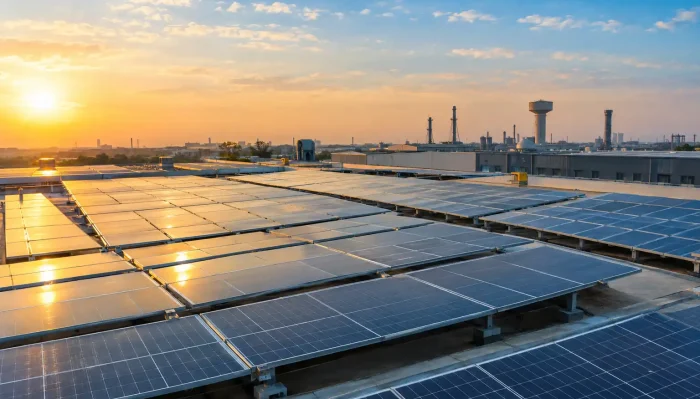
A solar farm is a large area of land filled with solar panels that work together to generate electricity on a large scale. Unlike rooftop systems that power a single home or business, solar farms produce bulk electricity and supply it to external users such as the national grid or commercial clients.
These farms are designed to maximize energy production using open land, strong sunlight, and efficient solar technology. To ensure maximum efficiency and long-term performance, it’s essential to always hire certified and experienced professionals for solar installation and farm development.
To explore more about solar farms, large-scale solar energy systems, and global renewable energy trends, visit this trusted sources: U.S. Department of Energy – Solar Energy Technologies Office
Types of Solar Farms
1. Utility-Scale Solar Farms
Utility-scale solar farms are large power plants, typically starting from 1 megawatt (MW) and going up to hundreds of MW.
- They generate electricity in bulk and supply it directly to the national grid
- Usually owned by energy companies or large investors
- Operate under long-term agreements for stable revenue
- Require high investment but offer predictable, long-term returns
In simple terms, these are large solar power stations that supply electricity to cities or regions.
2. Community Solar Farms
Community solar farms are smaller projects that allow multiple people or businesses to benefit from one shared solar system.
- Users subscribe to a portion of the solar farm
- They receive credits on their electricity bills
- Ideal for people who cannot install solar panels on their own property
In simple terms: A shared solar system where multiple users benefit without installing panels themselves.
3. Private Solar Farms
Private solar farms are built by businesses or individuals for their own use or partial resale.
- Used to reduce electricity costs for factories, offices, or farms
- Excess electricity can be sold back to the grid through net metering
- Offers both savings and potential income
In simple terms: A solar setup built for personal or business use, with the option to earn from extra electricity.
How Do Solar Farms Make Money?
Understanding revenue sources is key to answering how profitable are solar farms.
1. Selling Electricity to the Grid
Most solar farms sign long-term agreements to sell electricity at fixed rates, ensuring predictable income.
2. Net Metering in Pakistan
Solar farm owners can export excess electricity to the grid and receive credits or payments, reducing energy costs.
3. Government Incentives
Depending on policies, investors may benefit from:
- Tax advantages
- Subsidies
- Financing options
4. Renewable Energy Credits
Some projects earn additional income by generating clean energy.
Before evaluating profitability, understanding your total investment is essential. For a detailed cost breakdown covering land, solar panels, inverters, and installation, refer to our comprehensive guide: How Much Does a Solar Farm Cost in Pakistan (2026)?
How Profitable Are Solar Farms? (Real Earnings Breakdown)
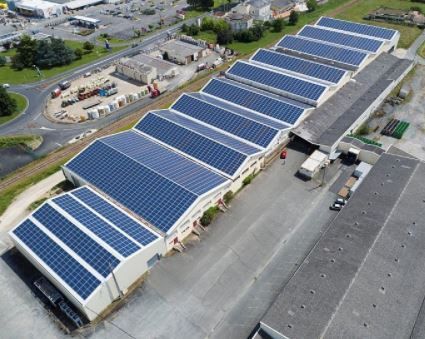
Let’s look at a realistic example to understand are solar energy farms profitable in practical terms.
Example: 1 MW Solar Farm
- Annual energy production: ~1.5 million units
- Average electricity rate: PKR 35–55 per unit
Annual Revenue
PKR 52 million – 82 million
Operating Costs
Typically 2%–5% annually
Net Profit
PKR 40 million – 70 million per year
Return on Investment (ROI) and Payback Period
Payback Period
Most solar farms recover their investment within 5 to 8 years.
System Lifespan
Solar panels last 25–30 years, meaning long-term profit after break-even.
Long-Term Profit Potential
After recovering costs, investors can earn consistent income for decades with minimal expenses.
Are Solar Panel Farms Profitable in Pakistan?
Yes—and in many cases, they are even more profitable than in other countries.
Why Solar Works So Well in Pakistan
1. High Electricity Prices
Rising tariffs increase savings and revenue.
2. Strong Sunlight Availability
Pakistan receives 5–7 hours of peak sunlight daily, ideal for solar generation.
3. Energy Demand Growth
Frequent power shortages increase demand for alternative energy.
4. Net Metering Benefits
Allows selling excess electricity back to the grid.
5. Work With Experts to Maximize Your Profit
If you’re planning to invest in a solar farm, the difference between average and high profitability comes down to proper design, location, and system efficiency.
Get started with Progressive Ventures today to receive:
- A complete solar farm feasibility study
- Accurate ROI and profit projections
- End-to-end installation and approvals
- Customized solutions based on your land and budget
Our experts will help you build a solar project that is not just functional—but highly profitable and future-ready.
Key Factors That Affect Solar Farm Profitability
Not all solar farms perform equally. Profitability depends on several important factors:
1. Location
More sunlight = more electricity = higher income.
2. Land Cost
Lower land costs improve overall ROI significantly.
3. Equipment Quality
High-efficiency panels and reliable inverters increase output.
4. Maintenance
Regular cleaning and monitoring ensure consistent performance.
5. Government Policies
Regulations and tariffs can impact returns.
To learn more about solar farms, utility-scale solar projects, and worldwide renewable energy developments, you can refer to the following reliable sources: International Renewable Energy Agency (IRENA) – Solar Energy Reports
Risks You Should Consider Before Investing
While the answer to whether our solar farms are profitable is generally yes, there are some risks:
1. High Initial Investment
Requires strong financial planning.
2. Policy Changes
Energy policies can shift over time.
3. Weather Variability
Cloudy conditions may reduce production slightly.
4. Grid Infrastructure Issues
Connection delays can impact revenue timelines.
Solar Farms vs Other Investments
| Investment Type | Average Return | Risk Level |
|---|---|---|
| Solar Farms | 8–15% | Medium |
| Real Estate | 5–10% | Medium |
| Stocks | 7–12% | High |
| Fixed Deposits | 4–6% | Low |
Solar farms offer a strong balance between stable income and moderate risk, making them attractive for long-term investors.
How to Start a Profitable Solar Farm (Step-by-Step)
Step 1: Feasibility Study
Analyze sunlight, land suitability, and financial viability.
Step 2: Secure Land
Choose cost-effective land with high solar exposure.
Step 3: Obtain Approvals
Complete legal requirements and grid permissions.
Step 4: Install the System
Use high-quality components for better long-term returns.
Step 5: Grid Connection
Set up net metering or power purchase agreements.
Step 6: Maintenance and Monitoring
Ensure consistent performance through regular checks.
Future of Solar Farms in 2026 and Beyond
The solar industry continues to grow rapidly, with several trends shaping its future:
- More efficient solar panels
- Integration with battery storage
- Lower installation costs
- Smart energy management systems
Solar energy is becoming one of the most reliable and profitable long-term investments worldwide.
Conclusion: Are Solar Farms Worth It?
So, are solar farms profitable?
Yes—when planned and executed properly, they offer:
- Strong long-term returns
- Low operating costs
- Stable income
- Environmental benefits
For investors in Pakistan, solar farms are not just profitable—they are a future-ready investment opportunity.
If you’re looking to enter the solar industry, careful planning and expert guidance can turn this opportunity into a highly rewarding business. Contact today to get expert advice, customized solar farm solutions, and a detailed profitability assessment tailored to your investment goals. Our team will guide you every step of the way—from planning and approvals to installation and long-term success.
FAQs
1. Are solar farms profitable in 2026?
Yes, solar farms remain highly profitable due to rising electricity demand and improved technology.
2. How profitable are solar farms per acre?
Solar farms can generate approximately PKR 3 million to 8 million per acre annually, depending on efficiency and location.
3. Are solar panel farms profitable for beginners?
Yes, smaller projects or partnerships allow beginners to enter the market with lower investment.
4. What is the payback period for a solar farm?
Typically between 5 to 8 years, depending on costs and electricity rates.
5. Are solar energy farms profitable in Pakistan?
Yes, due to high sunlight, increasing electricity costs, and supportive policies.
6. Do solar farms require a lot of maintenance?
No, maintenance costs are low, usually around 2% to 5% annually.
7. What are the biggest risks of solar farms?
High upfront investment, policy changes, and grid connection challenges.