Running essential kitchen appliances on renewable energy is no longer just an eco-friendly concept; it is now a practical and cost-effective choice for modern households. Refrigerators and freezers operate 24/7, making them ideal for solar power systems built for reliability and consistent output. Understanding how many Solar Panels Needed to Run Refrigerator and Freezer allows homeowners to size their systems correctly, avoid unnecessary costs, and ensure uninterrupted operation.
As electricity prices continue to rise and grid reliability declines, solar energy offers long-term savings and greater energy security. With Progressive Ventures’ professional installation services, the right system design, battery backup, and energy-efficient appliances, solar-powered refrigeration delivers reliable cooling while supporting a sustainable and future-ready lifestyle.
Solar panels for refrigerator and freezer
Solar panels for refrigerator and freezer provide a reliable and eco-friendly energy solution. They generate electricity during the day, while battery storage ensures power at night and on cloudy days. This setup maintains uninterrupted cooling, protecting food from spoilage. Modern solar systems handle compressor surges and variable power demands efficiently. With the right inverter, batteries, and panel capacity, refrigerators and freezers operate smoothly and reliably.
How Much Electricity Do Refrigerators and Freezers Consume?
Electricity consumption depends on appliance size, energy efficiency rating, and daily usage habits. Refrigerators and freezers operate in cycles rather than running nonstop, switching on and off throughout the day. Factors such as ambient temperature, frequency of door openings, and the amount of stored food also affect overall power usage. Understanding these consumption levels is essential when calculating how many Solar Panels Needed to Run Refrigerator and Freezer without overloading or overspending.
Small Refrigerator: 1.0–1.5 kWh per Day
Compact or energy-efficient refrigerators typically consume between 1.0 and 1.5 kWh daily, making them easier to support with a smaller solar setup.
Medium Refrigerator: 1.5–2.0 kWh per Day
Standard household refrigerators usually fall within this range and require a moderately sized solar system with battery backup for reliable operation.
Freezer: 1.0–2.5 kWh per Day
Freezers consume varying amounts of electricity depending on size and usage, often requiring additional solar capacity to ensure continuous cooling.
Refrigerator and Freezer Energy Consumption Table
|
Appliance Type |
Average Watts |
Daily Runtime |
Daily Energy |
Efficiency Level |
|
Small Refrigerator |
120–150 W |
8–10 hrs |
1.0–1.3 kWh |
High |
|
Medium Refrigerator |
150–200 W |
10–12 hrs |
1.5–2.0 kWh |
Medium |
|
Upright Freezer |
200–300 W |
8–12 hrs |
1.6–2.5 kWh |
Medium |
|
Chest Freezer |
120–200 W |
6–10 hrs |
0.8–1.5 kWh |
High |
This table offers a clear and practical reference for estimating daily power requirements, helping homeowners accurately size a solar system for running a refrigerator and freezer efficiently.
Solar power for refrigerator and freezer

Solar power for refrigerator and freezer ensures a continuous and eco-friendly energy supply. Panels generate electricity during daylight, while batteries provide backup at night and during cloudy weather. This setup keeps food fresh by maintaining uninterrupted cooling. Modern solar systems efficiently manage compressor surges and variable energy demands. With properly sized panels, inverters, and batteries, refrigerators and freezers run reliably and safely.
Can You Run a Refrigerator on Solar Energy?
Yes, running a refrigerator on solar energy is possible with a properly designed system. Solar panels generate electricity during the day, while batteries supply power at night or during cloudy conditions. This setup ensures uninterrupted cooling and protects food from spoilage. Modern solar systems efficiently handle compressor startup surges and varying energy demands. With the right panel capacity, inverter, and batteries, a refrigerator can operate reliably and safely.
Example Calculation
- Daily appliance usage: 3.5 kWh
- Energy per panel: 2.8 kWh
- Panels required: 2–4 panels
Additional Considerations
- Extra panels may be needed to account for system losses and seasonal variations
Solar Panel Output Comparison Table
|
Panel Wattage |
Daily Output |
Panels Needed |
Appliance Load |
Efficiency |
|
200W |
0.9–1.2 kWh |
4–5 |
Small fridge |
Low |
|
350W |
1.8–2.2 kWh |
3–4 |
Fridge + freezer |
Medium |
|
550W |
2.7–3.0 kWh |
2–3 |
Fridge + freezer |
High |
|
600W |
3.0–3.3 kWh |
2 |
Efficient appliances |
Very High |
Factors That Affect the Number of Solar Panels Needed
Several real-world factors influence how many solar panels are required to run a refrigerator and freezer. Ignoring these variables can lead to power shortages or unnecessary expenses. Careful planning ensures consistent and reliable performance throughout the year.
Key Factors Include:
- Daily sunlight availability in your location
- Energy efficiency rating of appliances
- Battery storage capacity
- Inverter and wiring efficiency losses
Considering these factors helps design a solar system that delivers dependable energy year-round.
Importance of Battery Storage for Refrigeration
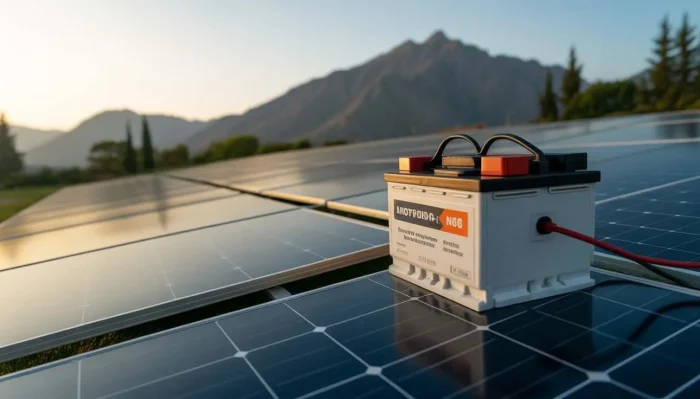
Battery storage is essential to keep refrigerators and freezers running after sunset or during cloudy weather. Without enough capacity, appliances may stop working, risking food spoilage. Proper storage ensures continuous cooling, stable voltage for compressors, and reduced appliance wear. It also improves overall system reliability. Battery size directly impacts the performance and efficiency of the solar-powered refrigeration system.
Solar Panels Needed for Fridge and Freezer
Solar panels needed for a fridge and freezer depend on proper system design to ensure consistent operation. Panels produce electricity during the day, while batteries supply power at night or on cloudy days. Correct panel capacity, inverter, and battery sizing maintain stable performance. Modern setups manage compressor startup surges and variable energy demand. This arrangement ensures reliable cooling and long-term energy efficiency.
Choosing Energy-Efficient Refrigerators and Freezers
Energy-efficient appliances reduce the size and cost of a solar system. Modern inverter-based refrigerators adjust compressor speed according to cooling needs, consuming less electricity than conventional models.
Advantages include:
- Fewer solar panels required
- Smaller battery bank
- Lower installation costs
- Higher long-term savings
Efficiency plays a key role in overall system design and performance.
Expanding Solar to Other Household Appliances
Once homeowners know how many solar panels are needed to run a refrigerator and freezer, they can expand their system to power lights, fans, and other electronics. Modular solar setups allow gradual upgrades without replacing existing equipment. Working with Progressive Ventures ensures smooth integration of solar, wind, and hydropower solutions, delivering reliable energy for multiple household needs.
Professional Design and Installation Matters
System efficiency relies on proper design and installation. Factors like panel orientation, inverter sizing, cable selection, and layout directly affect performance and safety. Choosing experienced providers such as Progressive Ventures guarantees technical accuracy, quality components, and long-term reliability, while also supporting future system expansion.
Cost, Savings, and Long-Term Value
Solar-powered refrigeration requires an initial investment, but the long-term savings make it cost-effective. Refrigerators and freezers typically use 3–4 kWh per day, which can be expensive on grid electricity.
Key Benefits Include:
- Monthly electricity savings
- Payback period of 3–5 years
- Reliable power during load-shedding
- Environmentally friendly energy
Final Thoughts
Powering refrigerators and freezers with solar energy is a practical way to achieve energy independence and long-term savings. By calculating how many solar panels are required to run a refrigerator and freezer, selecting energy-efficient appliances, and incorporating proper battery storage, homeowners can enjoy uninterrupted cooling without relying on the grid.
A professionally designed renewable energy system also supports expansion to other household appliances and additional energy sources. If you’re ready to switch to clean and reliable power, contact us today to explore customized solar, wind, and hydropower solutions tailored to your home.
FAQs
How many solar panels are needed to run a refrigerator full-time?
Most homes require 2–4 solar panels, depending on the efficiency of their appliances, the availability of sunlight, and the capacity of their battery storage.
Can solar panels power a refrigerator without batteries?
Solar panels can run a refrigerator during daylight hours, but batteries are needed to provide power at night or on cloudy days.
Will a 200W solar panel run a fridge?
A single 200W panel is not enough for continuous operation, but it can contribute to a larger solar system.
What inverter size is needed for a refrigerator?
Most refrigerators require a 1,000–2,000W inverter to safely handle the compressor’s startup surge.
Can a solar generator power a freezer?
Yes, if the generator has sufficient battery capacity and inverter strength to manage the compressor’s startup power.
Is solar reliable for refrigerators in hot climates?
Yes, with proper system sizing and adequate ventilation, solar-powered refrigerators perform reliably even in high-temperature areas.