Installing a solar energy system can feel overwhelming, especially for homeowners exploring renewable energy for the first time. Learning how to install solar panels safely and efficiently is essential whether you’re hiring a professional or wondering can I install my own solar panels without complications.
This guide walks you through system components, site considerations, installation steps, and ongoing maintenance. It also highlights where professional solar installation services such as those offered by Progressive Ventures can streamline the process.
From Panel to Power: Solar Installation System Guide

A complete solar installation system converts sunlight into usable energy through a series of interconnected components. Before comparing the cost to install solar panels, it’s important to understand each part and how it works within your setup.
Solar systems generally include panels, an inverter, mounting hardware, cabling, grounding, and optional solar panel battery installation for backup power. Together, these elements help ensure energy reliability, efficiency, and long-term savings.
Components of a Solar Installation System
Solar Panels
The heart of the system, responsible for collecting sunlight. Choose panels based on efficiency, budget, and available roof space.
Inverters
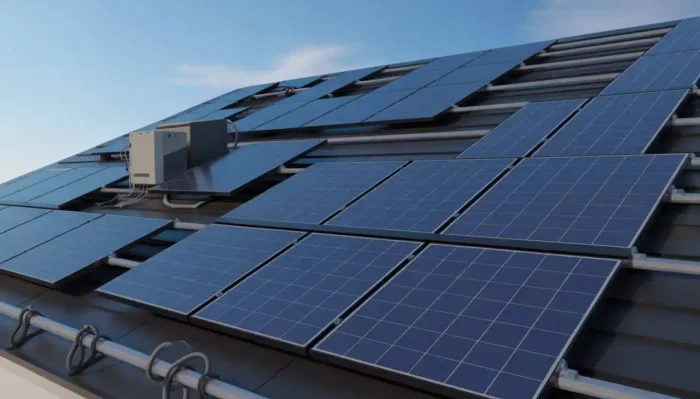
These convert DC power to AC power. Popular types include string inverters, micro-inverters, and hybrid inverters used with battery setups.
Mounting Systems
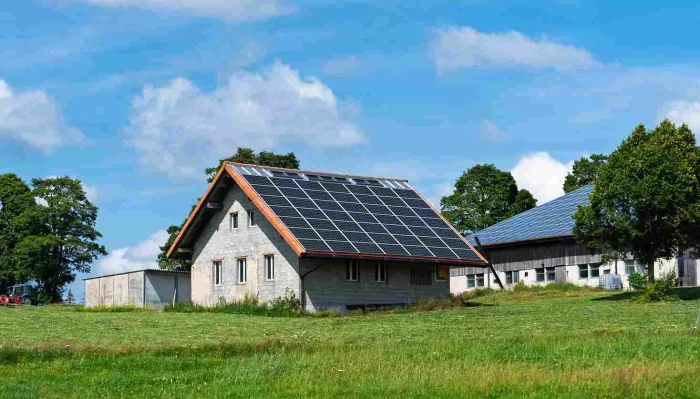
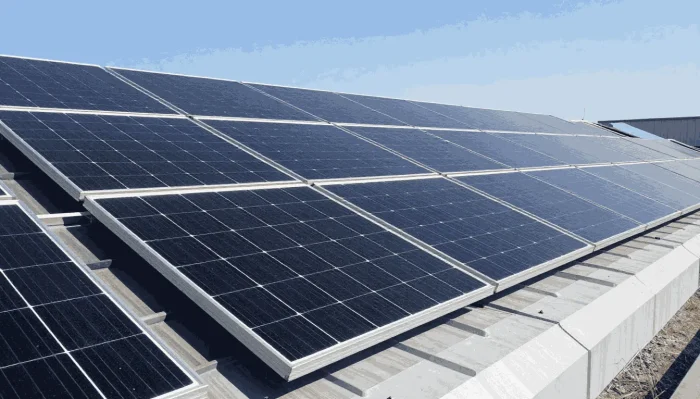
Proper mounting ensures safety, stability, and optimal performance. Roof-mount, ground-mount, and pole-mount options depend on location and structure type.
Battery Storage (If Applicable)
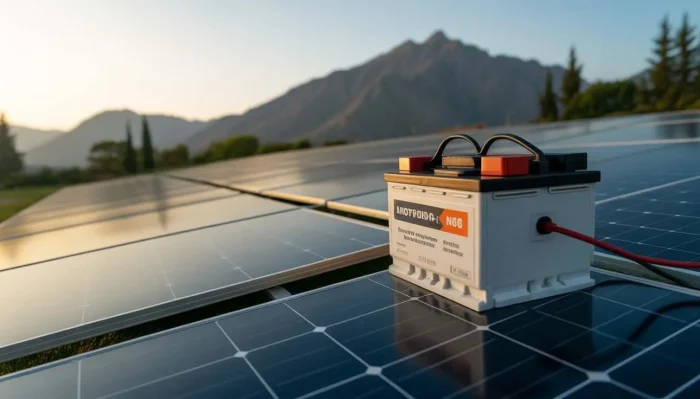
A powerful add-on for backup power and energy independence. Modern solar panel battery installation systems provide excellent reliability, especially in areas with grid instability.
Charge Controllers (For Off-Grid Systems)
Protect batteries from overcharging and regulate voltage. Off-grid users especially benefit from high-quality MPPT controllers.
Considerations Before Installing a Solar Power System
Evaluation of Energy Needs
Start by analyzing your monthly energy usage. A smart estimate ensures you choose the correct number of panels and system size.
Site Assessment and Panel Orientation
Your solar installation success depends on:
- Roof angle and direction
- Shading from trees or buildings
- Material type and roof condition
A well-assessed site maximizes efficiency and lowers the cost to install solar panels long-term.
Budget and Financing Options
Solar financing plans leases, loans, and net metering can reduce upfront expenses. Homeowners comparing options often decide whether can I install my own solar panels is feasible or if hiring the best solar installation company is more cost-effective.
Local Regulations and Permitting
Permits are essential and vary by region. Professional installers like Progressive Ventures help manage local documentation to ensure compliance and avoid delays.
Steps in Installing a Solar System
Below is a simplified breakdown of the installation process:
- System Design: Based on load requirements and roof measurements.
- Permitting and Approvals: Required by most local authorities.
- Mounting Installation: Securing rails and brackets for stability.
- Solar Panel Placement: Aligning panels for optimal sun exposure.
- Wiring and Inverter Setup: Connecting panels, inverter, and safety equipment.
- Battery or Backup Installation: Optional step for energy storage systems.
- System Testing and Grid Connection: Ensures safe operation before activation.
Whether you choose DIY or a professional service, a reliable solar installation ensures better performance and longevity.
Maintenance and Upkeep of a Solar Installation System
Maintaining solar equipment ensures consistent energy production over the years. Key tasks include:
- Cleaning panels to remove dust and debris
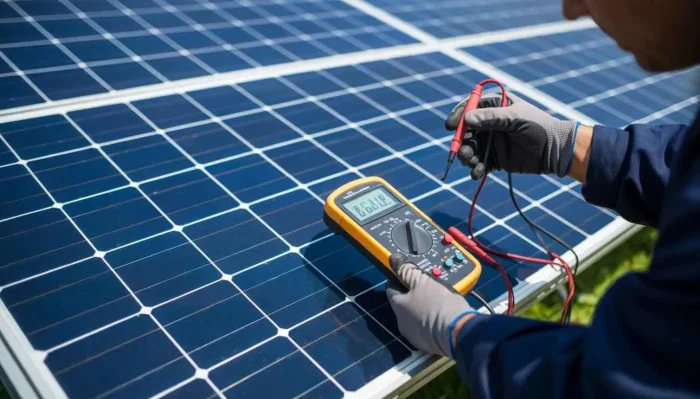
- Inspecting wiring for wear and tear
- Checking inverter performance
- Reviewing battery health (if storage is included)
Hiring the best solar installation company for annual inspections can extend system life and protect warranties.
Regular upkeep also maintains the value of your investment and minimizes future repair costs.
Final Thoughts
Understanding how to install solar panels empowers homeowners to make confident decisions, whether taking a DIY approach or choosing professional solar installation services. As solar technology improves, the efficiency, affordability, and reliability of modern systems continue to grow.
If you need expert assistance, guidance, or want to learn more about installation options, feel free to contact us anytime. Your journey toward clean, efficient energy starts with the right information and the right support.
FAQs
How long does it take to install a solar system?
Most residential systems take 1–3 days after permits are approved.
Is solar panel battery installation necessary?
Not always. Batteries are recommended for backup power, off-grid homes, or reducing grid reliance.
What is the average cost to install solar panels?
Costs vary based on system size, equipment type, and roof layout. Larger systems cost more but offer higher long-term savings.
Can I install my own solar panels?
Yes, DIY is possible, but professional installation ensures safety, compliance, and better performance.
How do I choose the best solar installation company?
Look for certified installers, strong customer reviews, warranties, and transparent pricing.