Choosing the right solar panels is a long-term investment, and understanding How to Check the Quality of Solar Panels? helps homeowners avoid poor performance, safety risks, and early system failure. High-quality panels deliver consistent power output, higher efficiency, and better durability across changing weather conditions, making them a reliable choice for long-term energy production.
As electricity costs continue to rise, selecting dependable solar solutions ensures lasting savings and energy stability. Progressive Ventures Energy Solutions supports informed decision-making by providing quality solar products and expert guidance. Knowing what to inspect before buying empowers consumers to protect their renewable energy investment and achieve reliable performance for years to come.
Why Solar Panel Quality Matters
Solar panels are exposed to heat, dust, moisture, and UV radiation throughout their lifespan. Low-quality panels degrade faster, leading to reduced output and higher maintenance costs over time. High-quality panels ensure stable energy production, protect connected equipment, and deliver predictable performance for 25 years or more.
Understanding Solar Panel Specifications
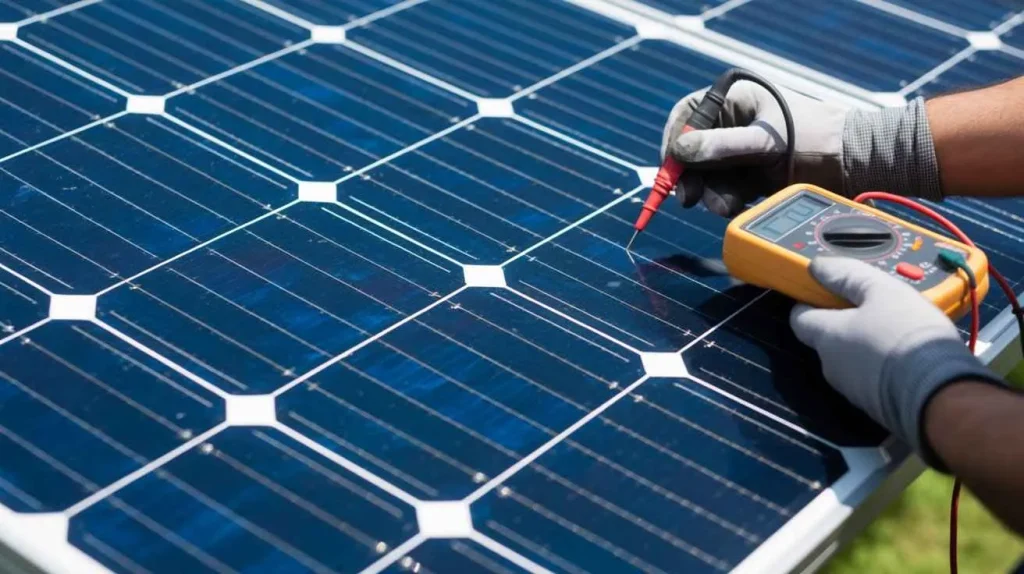
Solar panel datasheets provide valuable insight into actual performance rather than marketing claims. Reading specifications allows buyers to compare output capacity and durability accurately. Important specifications include wattage rating, voltage, current, efficiency percentage, and degradation rate, all of which affect real-world performance.
Efficiency Rating and Output Capacity
What Is Solar Panel Efficiency?
Efficiency indicates how much sunlight a panel converts into electricity. Higher efficiency panels produce more power in limited roof space. A proper solar panel efficiency check ensures higher energy yield and improved system performance.
Recommended Efficiency Levels
- Residential panels: 19%–22%
- Premium panels: 22%+
- Commercial-grade panels: 20%+
Temperature Coefficient and Heat Resistance
Solar panels lose output as temperatures rise. The temperature coefficient shows how much efficiency drops with each degree increase. Panels with lower temperature coefficients perform better in hot climates and maintain stable energy output.
Physical Inspection of Solar Panels
Visual Quality Inspection
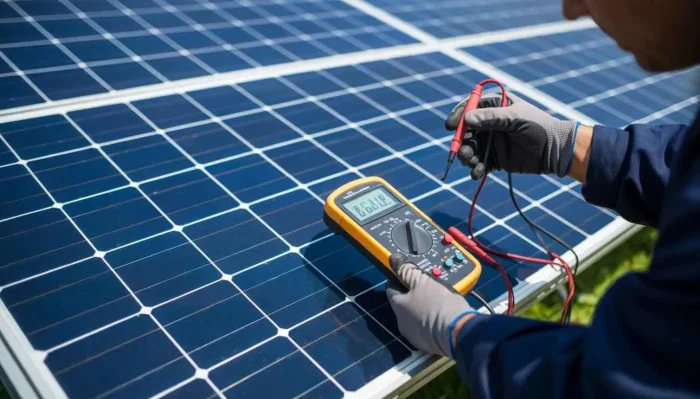
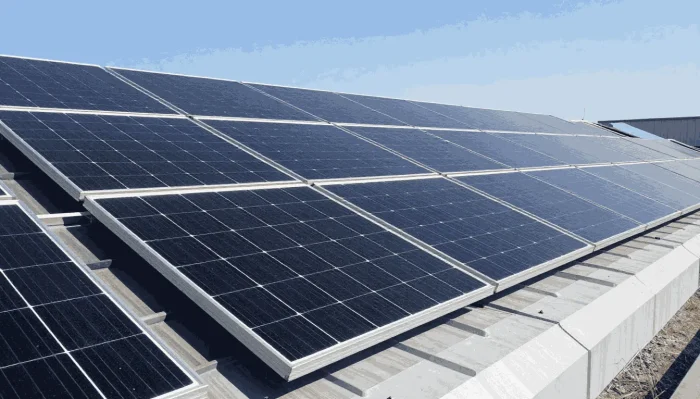
A simple visual check can reveal manufacturing defects such as cracks, bubbles, or uneven cells. These flaws often reduce lifespan and efficiency. Learning how to inspect solar panels visually prevents future performance issues.
Key Visual Indicators
- No cracks or discoloration
- Strong aluminum frame
- Even cell spacing
- Clean lamination
Build Quality and Materials
High-quality panels are made with tempered glass, corrosion-resistant frames, and durable backsheets, providing robust protection for internal components against environmental damage. These premium materials ensure the panels withstand harsh weather, UV exposure, and mechanical stress. In contrast, weak construction increases the risk of moisture intrusion, delamination, and premature system failure, reducing both efficiency and lifespan.
Certifications and Quality Standards
Certified solar panels meet recognized international safety and durability benchmarks, guaranteeing they perform reliably over time. These certifications ensure panels are rigorously tested under extreme conditions such as high temperatures, heavy winds, and intense sunlight. By choosing certified panels, homeowners can trust in consistent performance, safety, and long-term system reliability.
Common Certifications to Look For
- IEC 61215 / IEC 61730
- ISO 9001
- TÜV or UL approval
Flash Testing and Factory Reports
Flash testing measures the real output of solar panels under controlled conditions, providing an accurate assessment of their performance. Authentic panels include a serial-matched test report that verifies their efficiency and power ratings. This process acts as a reliable solar panel quality test, helping buyers avoid exaggerated power claims and ensuring the system delivers consistent, long-term performance.
Solar Cell Technology Types
Different cell technologies affect efficiency, durability, and low-light performance.
| Cell Type | Efficiency | Cost | Performance |
| Monocrystalline | High | Higher | Excellent |
| Polycrystalline | Medium | Lower | Good |
| TOPCon / PERC | Very High | Premium | Excellent |
Degradation Rate and Panel Lifespan
The degradation rate refers to the gradual reduction in a solar panel’s power output over time due to environmental exposure and material aging. High-quality solar panels typically degrade at less than 0.5% per year, ensuring stable performance for decades. Because of this low degradation, premium panels can still deliver over 80% of their original output even after 25 years, making them a reliable long-term investment.
Warranty and Manufacturer Trust
Warranty and Manufacturer Trust indicate the reliability and confidence a manufacturer has in their solar panels. Longer warranties often reflect superior build quality and durability. Typically, panels come with a 10–15-year product warranty covering defects and a 25–30-year performance warranty guaranteeing sustained energy output over time.
Monitoring and Performance Tracking
Monitoring and Performance Tracking allow solar system owners to observe panel performance in real time. These systems quickly detect any drops in output, enabling timely maintenance. This proactive approach helps maintain optimal efficiency and safeguards the long-term performance of the solar installation.
Performance in Different Weather Conditions
Performance in Different Weather Conditions shows how quality solar panels continue generating power even during cloudy days or dusty conditions. Advanced anti-reflective and hydrophobic coatings enhance low-light performance. Durable, weather-resistant panels also need less frequent cleaning while providing consistent energy output year-round.
Importance of Professional Installation
Even the highest-quality solar panels can underperform if not installed correctly. Proper tilt, precise wiring, and correct inverter matching are crucial for maximizing efficiency. Progressive Ventures offers expert solar installation, along with wind and hydel energy solutions, ensuring optimal system design, safety, and long-term reliability.
Cost vs Quality Balance
While cheaper panels may lower initial expenses, they can lead to higher long-term costs due to lower efficiency and durability. Prioritizing quality ensures better lifetime value. Balancing efficiency, warranty, and certifications helps make smarter, more reliable solar investments.
Key Signs of High-Quality Solar Panels
- High efficiency rating
- Low degradation rate
- International certifications
- Long warranties
- Verified test reports
Solar Panel Quality Comparison Table
| Feature | Low-Quality Panels | High-Quality Panels |
| Efficiency | Below 18% | Above 21% |
| Degradation | High | Low |
| Warranty | Limited | Long-term |
| Lifespan | Short | 25+ years |
Final Thoughts
Understanding how to check the quality of solar panels empowers homeowners to make informed, future-proof energy decisions. Evaluating factors such as efficiency, certifications, materials, and warranties ensures long-term performance, reliability, and maximum return on investment. Choosing high-quality panels from a trusted provider is key to avoiding costly maintenance and performance issues down the line.
Pairing premium panels with professional system design delivers consistent energy output, financial savings, and greater energy independence. If you are planning to invest in renewable energy, contact us, Progressive Ventures, for customized solar, wind, and hydel energy solutions tailored for long-term success and optimal performance.
FAQs
How can I verify the quality of solar panels before purchasing them?
Check efficiency ratings, certifications, and warranty details. Inspect the panel for visible defects like cracks or discoloration. Ask for the original flash test and performance reports.
What efficiency level is considered good for solar panels?
Residential panels with an efficiency of 19–21% are considered good. Higher efficiency produces more power in a limited space. It also improves long-term energy output.
How do I inspect solar panels after installation?
Monitor daily output using the inverter or monitoring app. Look for sudden drops in performance or warning alerts. Perform periodic visual checks for dust or damage.
Do certified solar panels perform better?
Certified panels meet international safety and quality standards. They are tested for durability, heat resistance, and output stability. This ensures reliable long-term performance.
How often should solar panel performance be checked?
Performance should be reviewed monthly through monitoring systems. Seasonal checks help identify efficiency changes. Regular monitoring extends system lifespan.
Can poor-quality solar panels increase maintenance costs?
Yes, low-quality panels degrade faster and need frequent repairs. They can also affect the inverter and battery health. This leads to higher long-term costs.
Does the weather affect solar panel quality and output?
High-quality panels perform better in heat, dust, and low light. Poor panels lose efficiency quickly in harsh climates. Quality materials ensure stable year-round output.