Understanding how many solar panels do I need for 2000 kWh per month is one of the most important steps for homeowners planning to switch to clean and cost-saving energy. Energy usage varies from home to home, so calculating an accurate system size helps you avoid overspending on excess panels or ending up with an underperforming setup.
Switching to solar energy is becoming increasingly popular due to rising electricity prices and improved solar technology. With reliable service providers like Progressive Ventures, homeowners can access professional solar installation, wind energy solutions, and hydropower energy systems that match their long-term energy needs.
Understanding Monthly Energy Usage (kWh Basics)
Before figuring out how many solar panels do I need for 2000 kWh per month, you must understand what 2000 kWh per month represents. A kilowatt-hour (kWh) shows the total amount of electricity you use. For many medium to large homes, 2000 kWh per month is typical when running AC units, refrigerators, pumps, and electronics.
Why Energy Usage Matters
Your monthly consumption determines the solar system size required for your home. A higher usage naturally demands more solar panels and a stronger inverter, while lower consumption means a smaller installation. This baseline helps form the core of your solar system size calculator approach.
The Role of Sunlight and Peak Sun Hours
The amount of sunlight your solar panels receive directly impacts their energy output. Peak sun hours refer to the number of hours per day when sunlight is strong enough for panels to operate at maximum efficiency. Homes in sunnier regions require fewer panels to generate the same energy, while areas with lower sunlight may need additional panels to meet monthly energy needs. Accurately considering peak sun hours is essential for calculating the correct system size and ensuring optimal performance.
Average Peak Sun Hours by Region
Most regions fall between 4 to 6 peak sun hours per day, depending on climate and location. A house with lower sun hours needs more panels to achieve 2000 kWh per month.

Solar Panel Wattage Requirements Explained
The wattage of a solar panel determines how much electricity it can produce under standard conditions. Residential panels typically range from 350W to 550W, with higher-watt panels generating more power and requiring fewer units to meet your energy needs. Choosing the right panel wattage helps optimize roof space, reduce the total number of panels, and ensure your system produces enough electricity to cover monthly consumption efficiently. Proper selection is crucial for both performance and cost-effectiveness.
Common Options
- 350W panels (older but reliable technology)
- 450W panels (modern mid-range standard)
- 550W+ panels (high-efficiency options)
The higher the wattage, the fewer panels you will require.
Step-by-Step Method to Calculate Solar Power for Home
To calculate solar power for a home accurately involves a few simple steps. First, determine your average monthly energy consumption in kilowatt-hours (kWh). Next, divide this by the number of days in a month to find your daily usage. Then, account for your region’s average peak sun hours to calculate the system size required to meet your energy needs. Finally, divide the total system size by the wattage of the panels you plan to use to determine how many panels are necessary. This step-by-step method ensures accurate sizing and optimal performance of your solar system.
Determine Monthly Energy Needs
Determine your home’s average monthly electricity usage by checking past utility bills in kilowatt-hours (kWh). This figure serves as the starting point for sizing your solar system accurately.
Your goal: 2000 kWh per month
Convert to Daily Usage
Divide your monthly energy usage by the number of days in the month to find your average daily consumption in kilowatt-hours (kWh). This helps in calculating the system size needed for each day.
2000 kWh ÷ 30 days = 66.67 kWh per day
Divide by Peak Sun Hours
Next, divide your daily energy usage by the average number of peak sun hours in your location. This calculation determines the total solar system size required to meet your energy needs efficiently.
Assuming 5 sun hours:
66.67 kWh ÷ 5 = 13.33 kW system needed
Convert to Number of Panels
Finally, divide the total system size (in kW) by the wattage of each solar panel to determine how many panels you need. This ensures your system produces enough electricity to cover your daily energy consumption.
If using 450W panels:
13.33 kW ÷ 0.45 kW = 29.6 ≈ 30 panels
Summary Table
| Panel Wattage | Total System Size | Approx. Panels Needed |
| 350W | 13.33 kW | 38 panels |
| 450W | 13.33 kW | 30 panels |
| 550W | 13.33 kW | 24 panels |
This table makes it easier to understand how many solar panels do I need based on wattage options.
Factors Affecting How Many Panels You Need
Several factors influence how many solar panels you need to meet your energy goals. These include the number of panels, roof size and orientation, local sunlight availability, shading from nearby structures or trees, panel efficiency, and system losses due to wiring or inverter performance. Considering all these elements ensures your solar system is accurately sized for maximum efficiency and long-term reliability.
Roof Space Availability
The amount of available roof space directly impacts the number and size of solar panels you can install. Limited space may require higher-wattage or more efficient panels to meet your energy needs. Proper planning ensures optimal placement without overcrowding the roof.
Panel Placement
The placement of your solar panels affects their exposure to sunlight and overall efficiency. South-facing panels typically receive the most sunlight throughout the day. Proper positioning minimizes shading and maximizes energy production.
Weather and Climate
Local weather and climate play a key role in solar panel performance. Areas with frequent clouds, rain, or dust may require additional panels to achieve the same energy output. Considering climate ensures your system remains efficient year-round.
System Losses
System losses occur due to factors like inverter inefficiency, wiring resistance, and shading from objects or debris. These losses typically account for 10–20% of potential energy output. Accounting for them ensures your solar system is properly sized to meet your energy needs.
Using a Solar System Size Calculator Effectively
A good solar system size calculator allows you to estimate system size based on:
- Daily energy usage
- Location’s peak sun hours
- Preferred panel wattage
- Roof direction and tilt
However, professional assessment remains more accurate. Companies like Progressive Ventures offer complete solar installation and design services to ensure homeowners get the right calculation without errors.
Additional Applications: Appliances and Load Estimation
Sometimes, homeowners want to estimate solar usage for specific appliances as part of their broader planning. Below is a short example to complement your calculation.
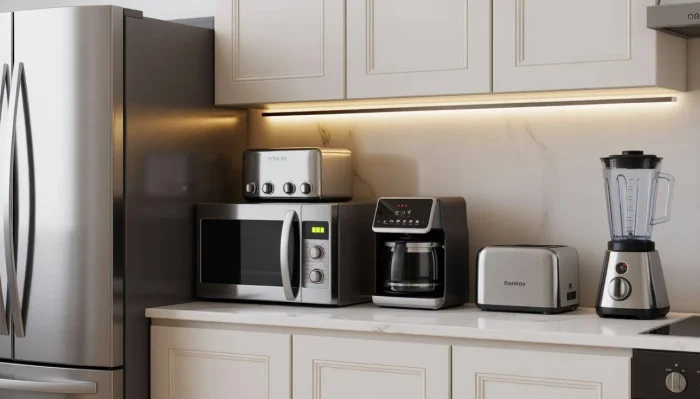
Estimated Daily Consumption of Common Appliances
- Refrigerator: 1.8 kWh
- Water pump: 2–4 kWh
- Air conditioner: 5–10 kWh
- Fans and lights: 2–3 kWh
Understanding appliance usage helps validate whether 2000 kWh per month is accurate for your home.
Selecting the Right Panel Type Based on Efficiency
Choosing the right panel type based on efficiency is crucial for optimizing energy production and roof space. High-efficiency panels, like monocrystalline models, generate more power per square foot, reducing the total number of panels needed. Selecting the appropriate panel ensures your system meets energy goals while staying cost-effective and space-efficient:
Monocrystalline Panels
Monocrystalline panels are made from a single crystal structure, making them highly efficient and space-saving. They perform well in limited roof space and maintain strong energy output even in low-light conditions. These panels are ideal for homeowners seeking maximum efficiency.
Polycrystalline Panels
Polycrystalline panels are made from multiple silicon crystals, making them slightly less efficient than monocrystalline panels. However, they are more affordable and still provide reliable energy output for most residential installations. These panels are a cost-effective option for homeowners with sufficient roof space.
Thin-Film Panels
Thin-film panels are lightweight and flexible, making them easy to install on unconventional surfaces. They are less efficient than crystalline panels but can be suitable for large areas where space is not a limitation. These panels are often used for specialized or commercial solar applications.
Why Professional Installation Matters
Solar installation requires advanced planning, electrical expertise, and durable system design. Homeowners who choose expert services experience higher productivity and safer operation.
What Progressive Ventures Offers
Progressive Ventures not only installs solar systems but also provides additional renewable energy services such as wind energy and hydropower energy solutions, giving customers a complete range of sustainable power options.
How Many Solar Panels Do I Need for 2000 kWh per Month? (Final Breakdown)
Here is a simple view using average conditions:
- Monthly consumption: 2000 kWh
- Daily usage: 66.67 kWh
- Sun hours: 5 hours
- System size needed: 13.33 kW
- Panels needed:
- 350W panels = 38
- 450W panels = 30
- 550W panels = 24
This approach uses real calculations rather than guessing, ensuring you understand how solar panel wattage requirements affect your final system size. When handled professionally, your home gets maximum power output without unnecessary costs.
Final Thoughts
Choosing the right solar system starts with understanding how many solar panels do I need for 2000 kWh per month, but equally important is ensuring proper installation and energy planning. A well-designed system reduces electricity bills, increases home value, and brings long-term reliability.
If you want expert guidance, professional system sizing, or renewable energy solutions, you can contact us to get personalized recommendations. With services like solar installation, wind energy, and hydropower energy, our team offers complete renewable solutions customized for your home.
FAQs
How many sun hours do I need for a 2000 kWh monthly system?
You typically need around 4–6 peak sun hours daily. Fewer sun hours require additional panels to reach the same output.
Do high-wattage panels reduce the total number required?
Yes. Higher-wattage panels like 550W reduce the number of total panels compared to 350W models.
Can a 10 kW system cover 2000 kWh per month?
In most regions, no. You generally need around 13 kW to meet that usage, depending on sunlight and system losses.
How much roof space is needed for a 13 kW system?
A 13 kW system requires approximately 650–800 sq. ft., depending on the type and wattage of panels used.
Will weather affect my solar production?
Yes. Dust, clouds, and heat can lower production, which is why accurate sizing and good placement matter.
How long do solar panels last?
Most panels last 25–30 years, with performance gradually decreasing over time but still producing usable energy.