Washing machines have become an essential appliance in every modern home. Whether you use a semi-automatic model or a fully automatic machine, one common question many homeowners ask is: How many watts does a washer use?
Understanding washing machine electricity consumption helps you estimate your monthly electricity bills, choose an energy-efficient appliance, and reduce unnecessary power usage. In countries like Pakistan, where electricity prices continue to rise, knowing the actual washing machine power consumption can help families manage household expenses more effectively.
The average washing machine uses between 400 and 1,400 watts, depending on its size, type, and washing technology. However, the exact electricity usage varies based on several factors such as load capacity, wash cycle, water heating features, and inverter technology.
In this guide, we will explore everything you need to know about washing machine how many watts, how much electric a washer uses, real-life energy consumption, and practical ways to reduce electricity usage. The goal is to help you make informed, cost-effective, and energy-efficient decisions.
Understanding Washing Machine Power Consumption
Before calculating electricity usage, it is important to understand what “watts” actually mean.
Watts measure the amount of electricity an appliance consumes while operating. The higher the wattage, the more electricity the appliance uses.
Most household washing machines operate within the following range:
| Washing Machine Type | Average Watts |
|---|---|
| Small Portable Washer | 300–500 watts |
| Semi-Automatic Washer | 350–700 watts |
| Fully Automatic Washer | 500–1,200 watts |
| Front Load Washer | 700–1,400 watts |
| Washer with Heater | 1,000–2,000 watts |
The actual power consumption of the washing machine, in watts, depends on how long the machine runs and which features are active during the wash cycle.
How Many Watts Does a Washer Use on Average?
A standard residential washing machine usually consumes around 500 to 1,000 watts per hour during operation.
Here’s a general breakdown:
Semi-Automatic Washing Machine Watts
Semi-automatic washers are more energy-efficient because they require manual operation and often use less advanced technology.
Typical usage:
- 350 to 700 watts
- Lower electricity bills
- Suitable for smaller households
These machines are popular in Pakistan because they are affordable and consume less electricity.
Fully Automatic Washing Machine Watts
Automatic washing machine watts are generally higher because these machines perform all washing functions automatically.
Typical power usage:
- 500 to 1,200 watts
- More convenient
- Advanced washing programs
- Higher efficiency in water usage
Front-load automatic machines may consume slightly more electricity, but often save water and detergent.
Front Load vs Top Load Washing Machine Power Consumption
Many homeowners wonder which type is more energy efficient.
Front-Load Washing Machines
- Usually use 700–1,400 watts
- Better cleaning performance
- Lower water consumption
- Longer wash cycles
Top Load Washing Machines
- Typically use 500–1,000 watts
- Faster wash cycles
- Easier loading and unloading
- Slightly higher water usage
Although front-load machines may use more watts during operation, they are often more energy-efficient overall due to reduced water usage and optimized washing cycles.
How Many Watts Does a Washer Use in Real Life?
Rated Power vs Actual Usage
Manufacturers often list the maximum wattage, but real usage is usually lower. A washing machine does not operate at full power throughout the cycle.
For example:
- Motor runs at high power during spin cycles
- Uses lower energy during soaking and washing phases
Real-Life Energy Consumption
A typical washing machine consumes:
- 0.3 kWh to 2.0 kWh per wash cycle
This depends on:
- Water temperature
- Load size
- Wash duration
Example Calculation
If a washing machine is rated at 1000 watts:
- 1000 watts = 1 kilowatt (kW)
- Running for 1 hour = 1 kWh energy consumption
If used 20 times per month:
- 1 kWh × 20 = 20 kWh monthly usage
How Much Electricity Does a Washer Use Monthly?
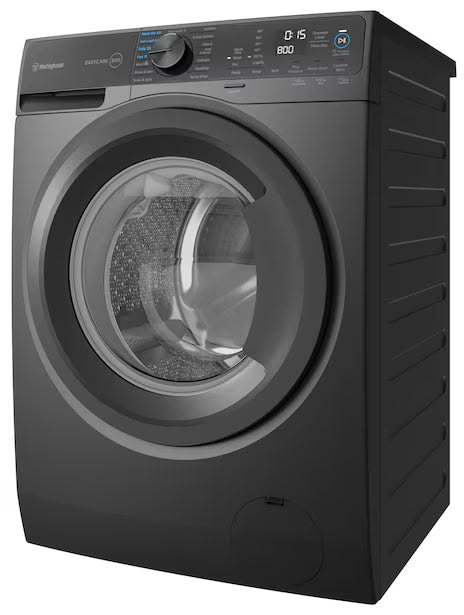
Average Household Consumption
Most households use washing machines 3–5 times per week. This results in:
- 10 kWh – 40 kWh per month
Cost Impact on Electricity Bills
Electricity cost depends on local unit rates, but:
- Higher usage cycles = higher bill
- Hot water cycles increase cost significantly
Key Insight
Even high-watt machines can be cost-efficient if:
- Used properly
- Operated in eco modes
- Used with full loads
Types of Washing Machines and Their Wattage
Semi-Automatic Washing Machines
- Lowest energy consumption
- No heating element
- Ideal for budget users
- Uses manual intervention
Best for users looking for low electricity usage.
Top Load Fully Automatic Machines
- Medium energy consumption
- Easy to use
- Good balance of performance and efficiency
Common in most households.
Front-Load Washing Machines
- Highest wattage range
- Uses a heating system for better cleaning
- More efficient in water and detergent usage
- Long-term energy savings despite higher wattage
Energy Savings and Cost Reduction with Solar-Powered Laundry System
A washing machine and a solar panel serve completely different purposes, but together they create a powerful, energy-efficient home solution. A washing machine is an essential household appliance that typically consumes between 500 to 2000 watts, depending on the model and wash cycle. For more detailed information on appliance energy consumption, you can also refer to this guide by the U.S. Department of Energy. This electricity demand usually comes from the grid, which increases monthly utility bills.
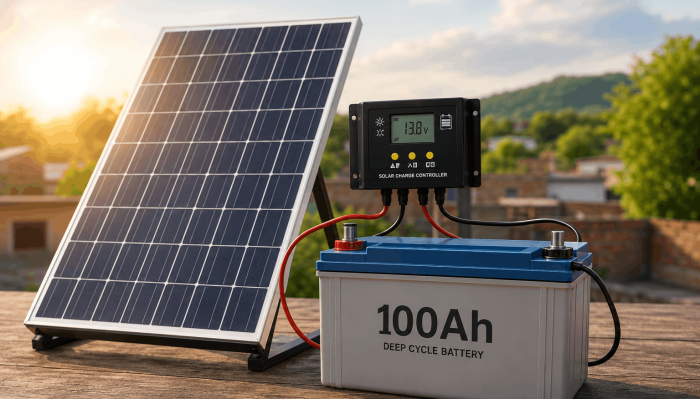
In contrast, a solar panel is a renewable energy system that generates clean electricity from sunlight and helps power home appliances without relying heavily on the grid. When we compare both, the washing machine is an energy-consuming device, while solar panels are energy producers. However, when a washing machine is powered through a solar system, it significantly reduces electricity costs and improves energy independence. For example, a 1000-watt washing machine can easily run on a properly designed solar setup during peak sunlight hours, making daily laundry more affordable and sustainable.
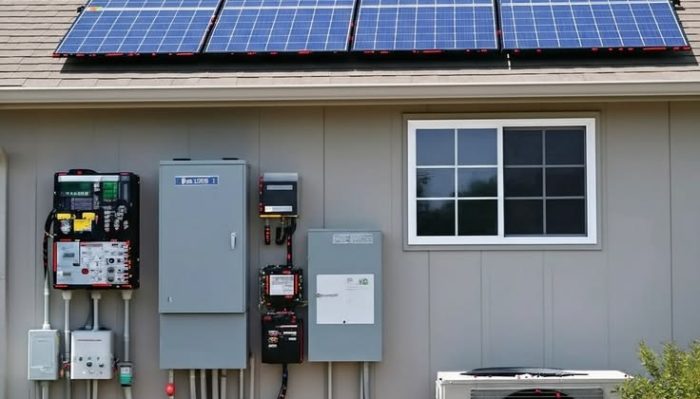
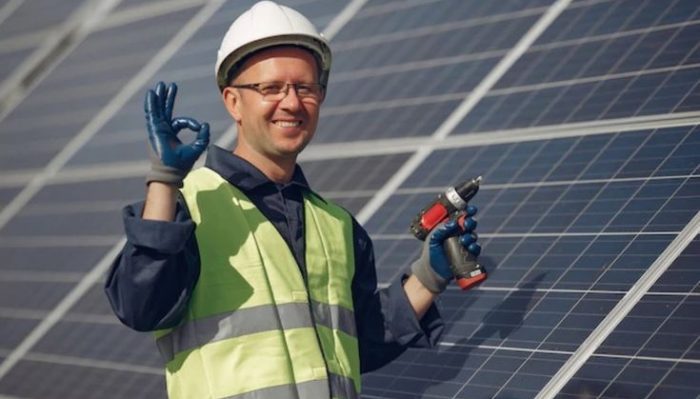
Professional Solar Installation Service provides complete solutions for powering home appliances like washing machines through customized solar systems. We design, install, and maintain efficient solar setups based on your household load requirements, ensuring maximum energy savings and reliable performance. With our expert solar solutions, you can reduce electricity bills, avoid load shedding issues, and enjoy uninterrupted appliance usage powered by clean and renewable energy.
Factors That Affect Washing Machine Electricity Usage
Load Size
- Overloading increases motor stress
- Underloading wastes energy
Water Temperature
Heating water consumes the most electricity in a washing machine cycle.
Spin Speed (RPM)
Higher RPM:
- Faster drying
- Higher energy usage
Wash Cycle Type
- Quick wash = low energy
- Heavy wash = high energy
- Eco mode = optimized energy usage
Energy Efficiency Labels Explained
Star Rating System
- 1-star = low efficiency
- 5-star = high efficiency
Higher-rated machines consume less electricity over time.
Why Energy Ratings Matter
- Lower electricity bills
- Better environmental impact
- Long-term savings
Inverter Technology Advantage
Modern inverter motors:
- Adjust power based on load
- Reduce unnecessary energy consumption
- Improve machine lifespan
How to Reduce Washing Machine Electricity Usage
Use Cold Water When Possible
Heating water increases watt usage significantly. Cold wash saves energy.
Wash Full Loads
- Reduces the number of cycles
- Saves electricity and water
Use Eco Mode
Eco mode:
- Optimizes washing time
- Reduces motor strain
- Saves energy
Regular Maintenance
- Clean filters
- Check drum condition
- Ensure smooth motor operation
Washing Machine vs Other Home Appliances
Refrigerator
- Runs continuously
- Lower watt usage per cycle
Understanding how much electricity a refrigerator uses is important because it is one of the few home appliances that runs continuously throughout the day and night. Unlike a washing machine that operates in short cycles, a refrigerator works 24/7 to keep food fresh, which means even a low-watt appliance can add up to significant energy consumption over time.
Iron
- High wattage
- Short usage time
Air Conditioner
- Highest electricity consumption in home
Washing machines fall in moderate energy usage category.
Common Myths About Washing Machine Wattage
Myth 1: Higher Watt Means Higher Bill
Not true. Efficiency and usage matter more than wattage.
Myth 2: Front Load Uses More Electricity
Actually, front-load machines are more efficient in the long term.
Myth 3: Quick Wash Saves Most Energy
Not always. It depends on load and settings.
Conclusion
Understanding how many watts does a washer use is essential for every modern household aiming to control electricity costs. Washing machines may appear simple, but their energy consumption varies widely depending on type, load, and technology.
Most washing machines consume between 400 and 1,400 watts, depending on the type, size, and features. Semi-automatic machines usually consume less electricity, while fully automatic and front-load washers may use more power due to advanced washing technology.
In Pakistan, washing machine electricity consumption has become an important consideration due to rising electricity prices. Choosing an energy-efficient machine, using cold water cycles, and operating full loads can help reduce monthly utility bills.
Whether you are buying a new appliance or trying to lower household energy costs, knowing your washing machine power consumption watts allows you to manage electricity usage more effectively while maintaining excellent washing performance.
FAQS
1. How many watts does a washer use on average?
A typical washing machine uses between 500 watts to 2000 watts, depending on the model, load size, and wash settings. Semi-automatic machines use less power, while front-load machines with heating functions use more.
2. How many watts for washing machine is ideal for home use?
For most households, a washing machine with 500W to 1000W power consumption is considered ideal. It provides a good balance between energy efficiency and washing performance.
3. How much electricity does a washer use per month?
On average, a washing machine uses around 10 kWh to 40 kWh per month, depending on how frequently it is used and the type of wash cycles selected.
4. Does a washing machine use more electricity with hot water?
Yes, using hot water significantly increases electricity consumption because the machine needs extra power to heat the water during the wash cycle.
5. Which type of washing machine uses less electricity?
Semi-automatic and inverter-based top-load machines generally use less electricity. However, modern front-load inverter machines are also very energy efficient in the long run.
6. Does higher wattage mean higher electricity bills?
Not necessarily. Higher wattage means more power capacity, but actual electricity cost depends on usage time, wash settings, and efficiency of the machine.
7. What affects washing machine electricity consumption the most?
The biggest factors include load size, water temperature, wash cycle type, spin speed, and whether the machine uses inverter technology.