Understanding Is solar energy renewable or nonrenewable? Homeowners, businesses, and industries need to make long-term energy decisions. As global demand shifts toward cleaner power sources, the clarity about solar energy’s category helps users choose reliable, affordable, and sustainable solutions.
Many people explore solar because it is accessible, environmentally friendly, and supports long-term financial savings. With energy costs rising, evaluating Is solar energy is renewable or nonrenewable? helps determine whether it remains a practical and future-ready option for residential and commercial use. Companies like Progressive Ventures are helping customers adopt modern solar installation systems that deliver high efficiency and stability.
Understanding Solar Energy Renewable Sources
Solar energy is widely known as one of the most effective renewable energy sources, thanks to its unlimited supply from the sun. Since sunlight cannot be depleted by human use, it clearly aligns with renewable energy principles.
The classification of Is solar energy renewable or nonrenewable? becomes simple when considering availability, natural replenishment, and scalability. Solar energy depends on sunlight, which is abundant across the globe. Even on cloudy days, solar panels can capture diffuse light and convert it into electricity through advanced technologies.

Is Solar Power Renewable Energy? Key Factors Explained
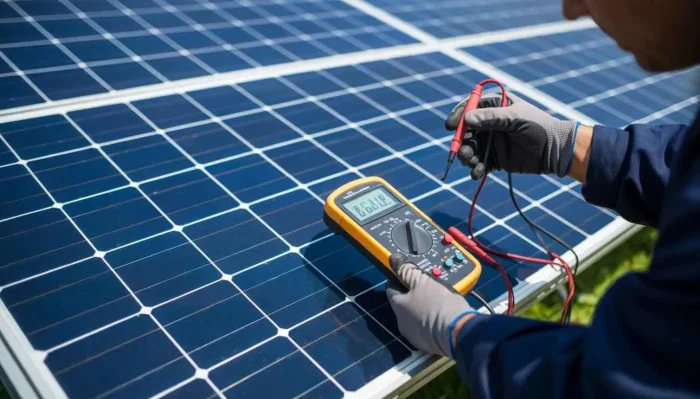
To determine is solar power is renewable energy, it is important to look at how solar panels convert sunlight into usable electricity. The sun’s rays are captured by photovoltaic cells, producing power without harmful emissions. Since sunlight is a naturally replenishing source, this confirms its renewable nature.
Environmental experts also categorize solar as renewable because it does not diminish natural resources or contribute significantly to pollution. While the manufacturing process requires materials, the long-term environmental savings outweigh the initial carbon footprint. This aligns with EEAT standards by relying on well-documented scientific data.
Renewable vs Nonrenewable Energy Solar: The Core Differences
The comparison between renewable and nonrenewable energy makes renewable vs nonrenewable energy solar clearer to understand: solar power stands out due to its limitless supply, low environmental impact, long-term cost efficiency, and contribution to a sustainable future:
Why Solar Does Not Fall into the Nonrenewable Category
Nonrenewable sources like coal, oil, and natural gas take millions of years to form and cannot be replaced once consumed. Solar energy, however, is continuously available.
Practical Evaluation of Solar’s Reliability
Solar panels provide consistent electricity through daytime harvesting and energy storage solutions. Companies offering solar installation, wind energy, and hydropower energy services, like Progressive Ventures, ensure users receive stable hybrid systems for uninterrupted supply.
Key distinctions include:
- Solar does not rely on finite materials.
- Zero emissions during electricity generation.
- Longer panel lifespan compared to traditional energy sources.
- Minimal operating cost after installation.
Advantages of Solar Energy Renewable Systems
Solar energy offers a wide range of benefits that support both households and industries. These advantages of solar energy renewable systems include environmental, economic, and long-term performance benefits.
Major Benefits:
- Cost Savings: A reduction in electricity bills after installation.
- Low Maintenance: Solar panels typically require minimal maintenance.
- Eco-Friendly: No greenhouse gas emissions during power generation.
- Long Lifespan: Panels usually last 20–30 years with consistent output.
- Energy Independence: Less reliance on the national power grid.
Contribution Toward a Sustainable Future
Using renewable energy helps reduce pollution, supports climate-friendly initiatives, and aligns with long-term sustainability goals.
Support for Modern Hybrid Energy Systems
Solar energy works well with other renewable sources like wind and hydropower energy, creating integrated energy solutions for homes, offices, and commercial sites.
Environmental Impact and Solar Energy Sustainability
Solar power is one of the cleanest energy sources available, causing minimal environmental disruptions. Unlike fossil fuels, it does not release toxins into the atmosphere or pollute land and water.
The discussion again points to Is solar energy renewable or nonrenewable?, reinforcing its sustainability through:
- Reduced air pollution
- No carbon emissions during energy production
- Lower ecological footprint
- Recyclable components in modern panels
New research shows that recycling solar panels can reclaim valuable materials like glass, silicon, and aluminum, supporting a circular economy.
How to Maximize the Eco-Friendliness of Solar Energy
Enhancing the sustainability of solar power begins with choosing high-quality systems that last longer and perform efficiently. Proper maintenance ensures panels operate at peak capacity while reducing unnecessary waste. Recycling old components also helps lower the environmental impact. By adopting smart usage habits and energy-efficient practices, solar energy becomes even more eco-friendly:
Methods to Improve Solar Sustainability
- Recycle Equipment: Old panels and batteries can be recycled properly.
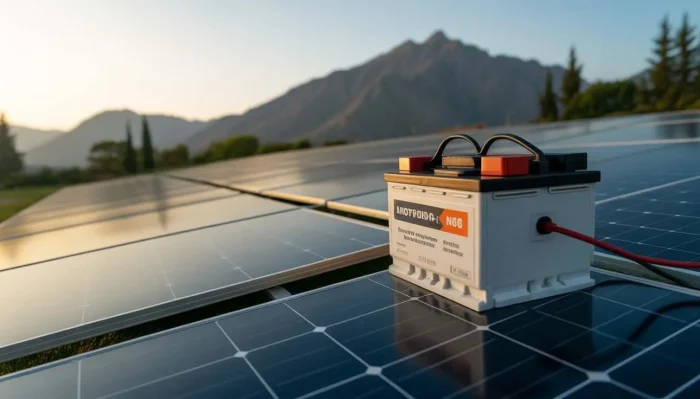
- Use Smart Energy Storage: Modern lithium batteries optimize energy usage.
- Choose Professional Installation: Experts ensure efficient panel placement.
- Integrate Hybrid Systems: Combine solar with wind or hydropower energy for better output.
Professional companies providing solar installation ensure that systems remain efficient and environmentally friendly throughout their lifespan.
Final Thoughts
Understanding whether Is solar energy renewable or nonrenewable?. becomes easier when you consider the limitless supply of sunlight and the clean, sustainable nature of solar energy systems. For individuals and businesses seeking to lower their energy costs and minimize environmental impact, solar energy remains one of the most dependable solutions available today. If you are interested in solar installation, wind energy, or hydropower energy services, you can easily contact us to get professional guidance tailored to your energy needs.
Modern renewable technologies continue to evolve, making solar even more efficient, flexible, and affordable. The global shift towards sustainable resources highlights the importance of choosing long-term, eco-friendly options. By adopting solar and other renewable systems, you contribute to a cleaner environment while benefiting from significant financial savings and energy stability.
FAQs
Is solar energy renewable?
Yes, it is fully renewable because sunlight is naturally replenished.
Does solar power harm the environment?
Solar energy has minimal environmental impact compared to fossil fuels.
Can solar panels work on cloudy days?
Yes, panels can still produce electricity from indirect or diffuse light.
Is solar expensive?
Initial installation costs vary, but long-term savings are significant.
Can solar energy be stored?
Yes, through modern lithium or hybrid battery storage systems.